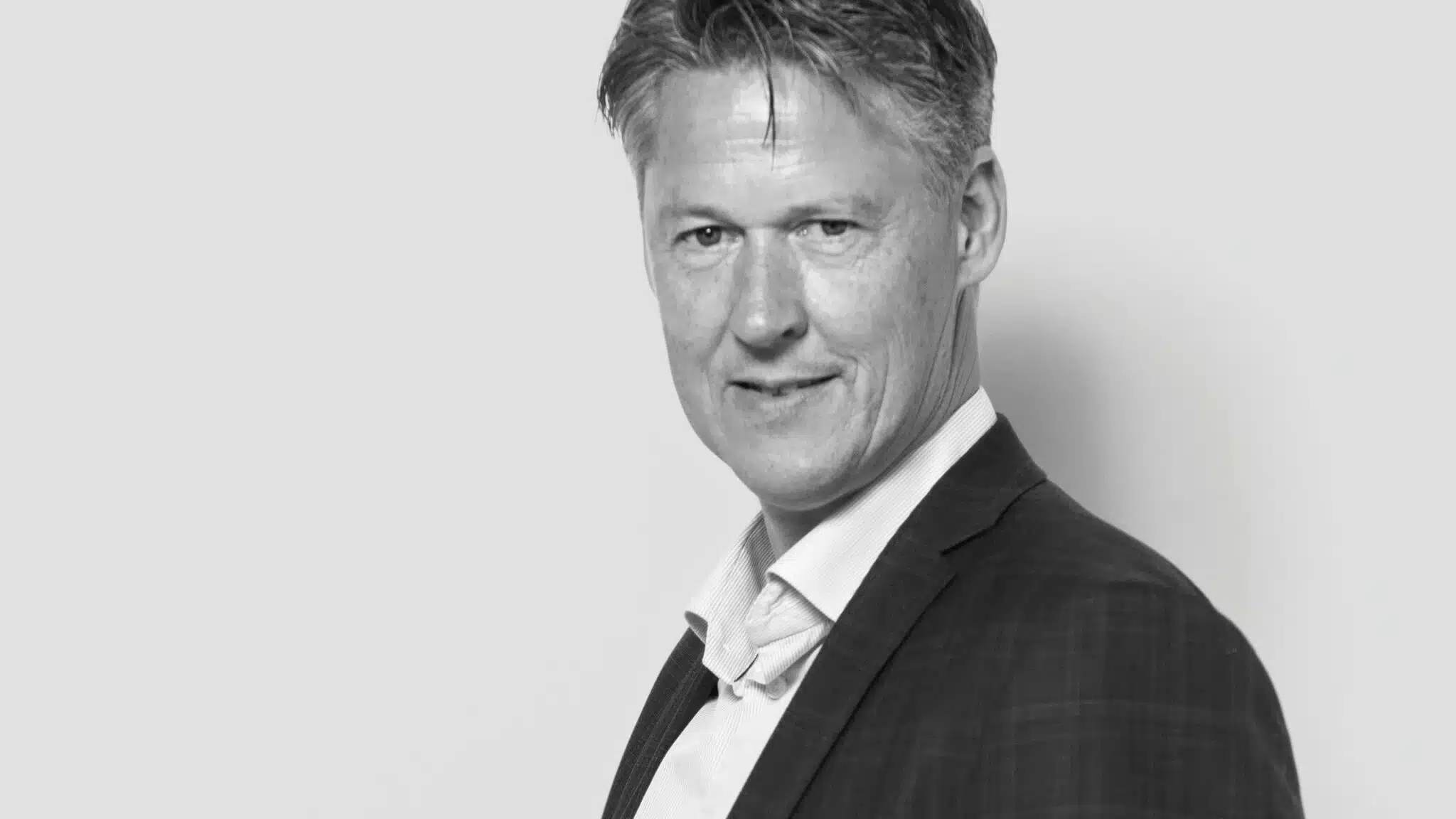
Insights from Michael Svarer, chair of the expert committee on the Danish Green Tripartite Agreement
The Danish Green Tripartite Agreement is a groundbreaking step toward integrating sustainability into economic policy, with a focus on agriculture, which is set to become one of the major contributors to Denmark’s carbon emissions by 2030.
In a conversation with Michael Svarer, professor of economics at Aarhus University and chair of the economic expert committee advising the Danish government, we explore the significance of this agreement and its potential to inspire global action on nature finance.
Nature as a central component
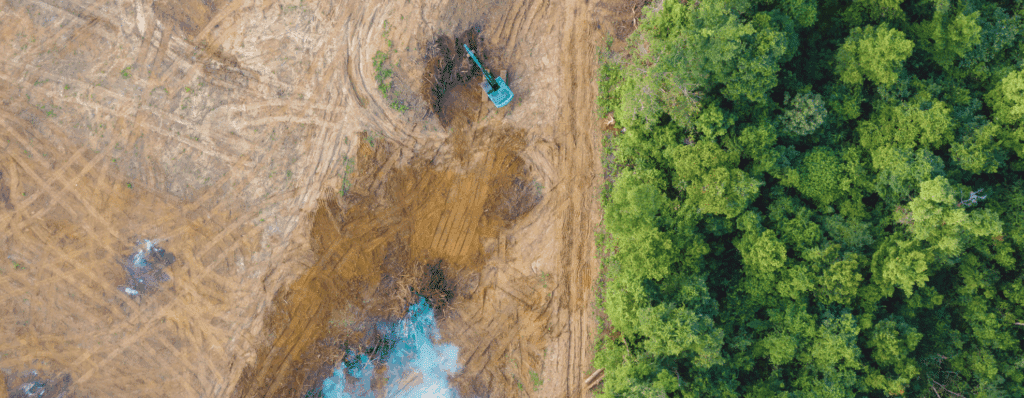
A core element of the agreement is its focus on enhancing Denmark’s natural landscape. The initiative will add 250,000 hectares of new forest and convert 140,000 hectares of low-lying farmland, currently a significant source of climate emissions, into natural areas. This transformation represents a visible and tangible shift in Denmark’s environment, as areas such as heaths, meadows, river valleys, and bogs will replace traditional agricultural land.
Beyond the immediate visual impact, these changes are designed to improve the aquatic environment in fjords and coastal waters, reduce Denmark’s overall climate footprint, enhance biodiversity, and strengthen the protection of drinking water. By prioritizing reforestation and the restoration of natural habitats, the agreement not only tackles emissions but also addresses long-standing concerns about ecosystem health and water quality.
A unique model for agricultural emissions
Svarer emphasizes the unprecedented nature of the Green Tripartite Agreement. “It’s unique because, for the first time, we’re introducing a regulatory model that makes it more expensive to emit greenhouse gases from agriculture,” he notes.
Agriculture is expected to account for half of Denmark’s CO₂ emissions by 2030, a reality that prompted the need for a dedicated approach. While the European Union (EU) has debated extending the Emissions Trading System (ETS) to agriculture, such proposals have been delayed. Denmark, however, has taken the lead.
The Green Tripartite Agreement introduces a mix of taxation and subsidies aimed at encouraging farmers to adopt more climate-friendly technologies. By imposing a tax on agricultural emissions while simultaneously providing support for reforestation and sustainable land management, the agreement offers a balanced approach that could serve as a model for other nations.
The Danish model: combining regulation and support
What sets the Danish agreement apart is its combination of regulation and financial support, a method Svarer believes could be replicated beyond Denmark. “The model could certainly be adopted by other countries, starting with the EU. If it’s feasible here, it should be feasible elsewhere,” he argues.
Denmark’s approach offers incentives such as tax breaks alongside carbon pricing, a combination that Svarer has already presented to EU policymakers in Brussels. “We saw great interest in this model,” he says. However, resistance remains, particularly from agricultural sectors in countries like France. Despite these challenges, Svarer is confident that the Danish model could provide a framework for an EU-wide agricultural emissions trading system.
Addressing competitiveness in a global market
A key concern for policymakers and industry alike is how stricter environmental regulations will affect competitiveness. Svarer acknowledges this challenge but points out the necessity of addressing it at an EU level. “This must be elevated to the EU level, where mechanisms like the Carbon Border Adjustment Mechanism (CBAM) will play a crucial role. CBAM imposes a carbon tax on imported goods, ensuring that foreign products are held to the same environmental standards as those produced within the EU.”
Denmark’s agricultural sector has embraced the transition, recognizing the long-term benefits of becoming more climate-friendly. Danish farmers understand that positioning themselves as leaders in sustainable agriculture can offer a competitive advantage in the future.
International Influence and Global Nature Finance
Denmark’s model is not without international precedents. New Zealand has tried to implement its own agricultural emissions pricing system, but a new government that did not share the previous administration’s green ambitions put a stop to it, while the U.S. relies on direct subsidies through measures like the Inflation Reduction Act, which provides massive government support for green initiatives. The Danish model’s combination of taxes and incentives could offer a middle ground, and Svarer hopes it will inspire other nations to adopt similar policies.
“We’re proud of this model,” Svarer says, highlighting its flexibility. The Danish framework can be adjusted over time, with mechanisms in place to gradually increase taxes and tighten regulations. By 2035, Denmark’s agricultural emissions tax will align with the rates imposed on other industries, ensuring a level playing field across sectors. “In the end, all sectors should be incentivized to go green,” he adds.
The global implications of the Danish agreement
Svarer is clear that the Green Tripartite Agreement is only the beginning. The path to decarbonizing agriculture extends beyond 2030, and Denmark’s agricultural emissions will need to decrease even further in the coming decades. “This is just the start, and we’ve begun with the mildest model,” Svarer explains. Over time, taxes will need to increase, and the regulatory system will become more stringent to meet long-term climate goals.
While the agreement may slightly reduce Denmark’s competitiveness in the short term, the costs to consumers will be minimal, amounting to only a few cents per liter of milk, according to Svarer. More importantly, the agreement positions Denmark as a global leader in sustainable agriculture, with potential economic benefits for green Danish companies in international markets.
Why Denmark is a front-runner
Denmark’s ability to lead in the green transition stems from its wealth and political ambition. “We’re a rich country that can afford to pay for this transition, and we have political ambitions to be one of the greenest nations in the world,” Svarer says. This leadership is not only symbolic but also practical, as it sets a high bar for other countries to follow.
The Green Tripartite Agreement has already attracted international attention, and Denmark now has the opportunity to use this momentum to advocate for similar policies on the global stage. Svarer emphasizes the urgency of this task, noting that Denmark’s contribution alone is not enough. “It’s crucial that we bring other countries on board. Denmark is a small country, but with this agreement, we can go out and promote ourselves internationally.”
Conclusion: a model for the future of nature finance
The Danish Green Tripartite Agreement represents a significant step forward in aligning financial and regulatory policies with the goals of the green transition. By balancing taxes, subsidies, and longterm flexibility, the agreement offers a blueprint for how other nations can manage the economic and environmental challenges of reducing agricultural emissions. As Svarer puts it, “For climate action, we’re finally seeing a green transition in agriculture, just as we’ve had in other industries for years.”
The Danish Green Tripartite Agreement
Objective: To reduce greenhouse gas emissions from Denmark’s agricultural sector, projected to contribute 50% of the country’s emissions by 2030. To gain significantly more forest – a total of 250,000 hectares. Additionally, 140,000 hectares currently used for climate-impacting lowland farming will be converted into natural areas. Beyond land conversion, the agreement aims to improve the aquatic environment in Denmark’s fjords and coastal waters.
Key Features:
- Carbon Tax: Implements the first-ever carbon tax on agricultural emissions in Denmark.
- Subsidies: Provides financial support for farmers to adopt climate-friendly technologies and practices, including funding for reforestation and sustainable land use.
- Adjustable Model: Combines taxes and incentives, allowing flexibility for future regulatory adjustments.
EU and Global Potential: The model is designed to be scalable and has sparked interest in the EU as a possible framework for broader agricultural emissions regulation.
Competitiveness Concerns: While marginal price increases are expected (e.g., 10-15 cents per liter of milk), the long-term goal is to enhance sustainability without heavily impacting consumer prices.
International Recognition: Denmark’s approach has attracted global attention as an innovative method for integrating environmental goals with economic support for the agricultural sector.
Michael Svarer
- Position: Chair of the Expert Committee on the Danish Green Tripartite Agreement
- Background: Michael Svarer is an esteemed expert in sustainable development and environmental policy, with a strong focus on green initiatives in Denmark.
- Role: As Chair, he leads the committee responsible for advising the Danish government on the implementation and effectiveness of the Green Tripartite Agreement, which aims to promote sustainability and reduce carbon emissions in various sectors.
- Expertise: Svarer has extensive experience in economic policy, environmental management, and public-private partnerships, making him a key figure in shaping Denmark’s green transition.
- Goals: The committee works towards fostering collaboration among government, businesses, and labor organizations to achieve ambitious environmental targets while ensuring economic growth and job creation.
Planetary Responsibility Foundation key facts
- Founded: 2022
- Headquarters: Copenhagen, Denmark
- Purpose: To protect and preserve our planet’s nature and biodiversity and promote sustainable development. We do this through a holistic mindset and mission-driven investments and projects that make a difference for both people and the planet and to create returns that can be reinvested in the foundation’s work.
- Strategy: The foundation strategy has two components, RESTORE (nature restoration) and RETHINK (sharing knowledge about building and living more sustainably) that guide our work, and help us create lasting impact.
Follow us on LinkedIn and be updated on new articles.
For more information, visit: www.prf.dk