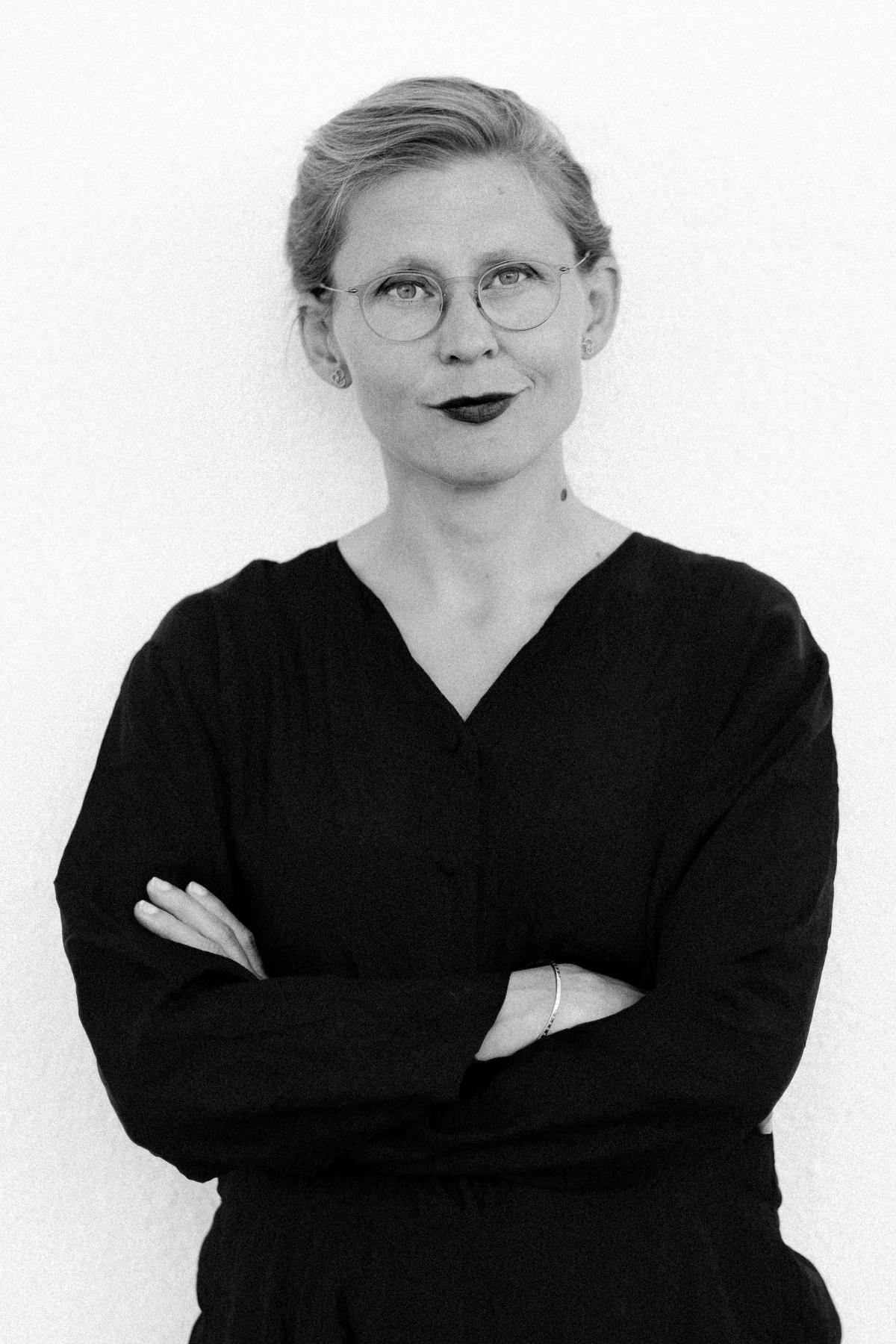
It will take you about four minutes to read this Planetary Responsibility Insights article, in which Signe Fosgaard, the Director of Green Finance Institute in Denmark, provides some of her ideas on creating a sustainable business in the real estate and construction industry, emphasizing values beyond the financial bottom line.
According to the World Economic Forum’s calculations, these four minutes equate to a cost of approximately one million USD. This immediate price reflects the consequences of not slowing down and taking significant actions to combat climate change – a debt to our planet that the construction industry must help solve.
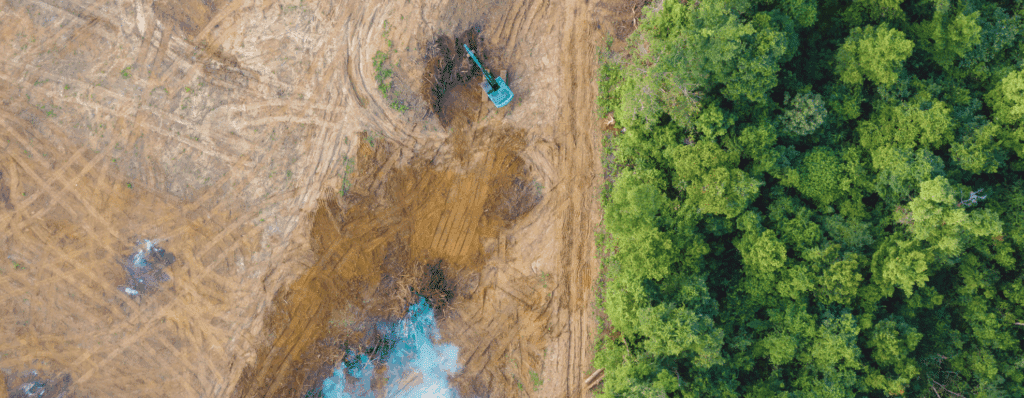
“So, it’s actually quite easy to conclude that we have done something completely wrong in the industry in terms of the business case. There may be financial surplus at the bottom line, but the climate and the planet has paid the bill,” says Signe Fosgaard.
The World Economic Forum emphasizes the seriousness behind Signe Fosgaard’s words in their “Climate change is costing the world $16 million per hour:
“Over the past 20 years, extreme weather events globally, like hurricanes, floods, and heat waves, have cost an estimated $2.8 trillion, according to a new study. The study authors estimate the cost of the extreme weather damages from 2000 to 2019 to average around $143 billion, which breaks down to around $16.3 million per hour. The global cost of climate change is estimated to between $1.7 trillion and $3.1 per year by 2050. This includes the cost of damage to infrastructure, property, agriculture, and human health. This cost is expected to increase over time as the impact of climate change becomes more severe. The poorest countries in the world are at great risk from the economic impacts of climate change” (source).
“These are terrible facts that I encounter every day in my work. But fortunately, I also meet a lot of fantastic people in construction, real estate and in the financial sector, with a genuine desire to make a difference. And we need to act, because we are standing on a burning platform,” says Signe
GREATER AMBITIONS AND COORDINATION
Signe Fosgaard is an economist and has always worked with investments in the built environment, both in Denmark and in China. Today she leads the Danish branch of the Green Finance Institute, established in Denmark in 2023 with a focus on catalyzing investment into the decarbonization of existing building stock. The Green Finance Institute is originally founded in UK and focuses on the systemic transitions that need to be financed within the real economy, such as the energy efficient retrofitting of buildings, and the decarbonisation of road transport.
The Institute partner with financial institutions, corporates, policymakers, academics, philanthropists, and civil society experts to develop solutions that will redeploy capital at the pace and scale that science demands (source).
“A few years ago, it wasn’t so popular to renovate. But In Denmark we are now facing the need to spend $ 4,5 billion on the renovation of 70-90.000 social housing units from 2021-2026. And in my opinion, it’s now no longer enough just to talk about renovating with a break even in the climate accounts. I think we should be much more ambitious and talk about how we go beyond.”
When engaging with major financial players in the market, such as insurance companies, banks, and pension funds, Signe Fosgaard observes a clear desire to make a tangible impact on climate change when financing real estate and construction projects. Some companies are also responding to the demands of their customers who expect them to take responsibility, both locally and globally. However, she also notes a certain level of apprehension.
“Denmark is in relatively good shape in this area, but it’s just not enough.
“And everyone is afraid of being accused of greenwashing, which can slow down some of the development. But I think we should show more tolerance for those who, after all, are trying to do the right thing.”
Sustainable construction takes time, and financing often spans over 30 years. But when the building or renovation is completed, it may not be green according to future standards, especially not in 30 years in a world where the agenda is constantly shifting”, Fosgaard argues.

Finally, Signe Fosgaard also calls for greater dedication from all those involved in construction or renovation, emphasizing sustainability from design to financing. She believes that valuable time and insights are lost when individuals stick to traditional practices, being accountable for their specific project roles but failing to adopt a more holistic approach.
“I see a coordination problem today because everyone doesn’t sit around the table from day one when planning the construction project. Only much later in the process are experts with technical insight invited on board, and by then, we’ve already lost some innovation. We work too much on continuously minimizing damage to the climate, instead of starting right away with more positive solutions.”
THE TRIPPLE BOTTOM LINE
It may sound like Signe Fosgaard only sees black clouds in the sky. She is fully aware of that. But, in return, it brings something positive. Solutions are imperative now, as there is no alternative. In this simple calculation, money is no longer the sole correct answer.
“I believe that we should start working with a triple bottom line. It will provide both sustainable and commercial arguments for building green.”
Signe Fosgaard’s triple bottom line encompasses:
1. The human bottom line
How will people feel better in and outside the built environment?
2. The climate bottom line
How will the climate feel better in and outside the built environment?
3. The financial bottom line
How should sustainable construction yield more profit?
“This is not a secret formula or a brilliant invention… It’s quite simple. If we don’t invest sustainably, it won’t be sustainable,” Signe Fosgaard concludes.
For more information, please visit Green Finance Institute.
Planetary Responsibility Insights are based on interviews with experts, scientists, business leaders and others with the purpose of sharing knowledge and opinions on sustainability and nature-based solutions in the built environment.
ABOUT PRF
PRF is a private, commercial foundation, established in 2022. Our purpose is to help restore and protect the planet’s nature and biodiversity and promote sustainable development. We do this through a holistic mindset, mission-driven investments and projects. A key element of our strategy is about doing business differently and in better balance with nature. Therefore, we invest in and support sustainable solutions and knowledge sharing on how to build and live more sustainably.
Did you find this article interesting?
Follow us on LinkedIn and be updated on new articles.
For more information, please visit www.prf.dk