The answer according to Kika Brockstedt is: “No. But we can affect nature more positively than we do now.”
Kika Brockstedt is the CEO of revalu – Europe’s leading construction materials library. PRF sat down with Brockstedt to explore how new metrics and evolving mindsets are shaping a greener built environment.
Sustainability Metrics and Material Decisions
Construction decisions are not made on price and quality alone. Regulations require environmental impact disclosures and remedial action. Green loans flow toward low-impact projects. On the consumer side, market demand for sustainable real-estate is mounting.
These legal, financial, and market influences have resulted in the production of ample sustainability data. Life Cycle Assessments (LCAs), Environmental Product Declarations (EPDs), certifications and other regulatory tools are standard procedures for today’s construction sector players. However, this data is often fragmented, locked in proprietary databases or PDFs, or recorded inconsistently.
“Data is alive,” she explains. “Products improve. Numbers change. This needs to be reflected in real time. The workspace enables better, more sustainable, decision making in construction procurement.”
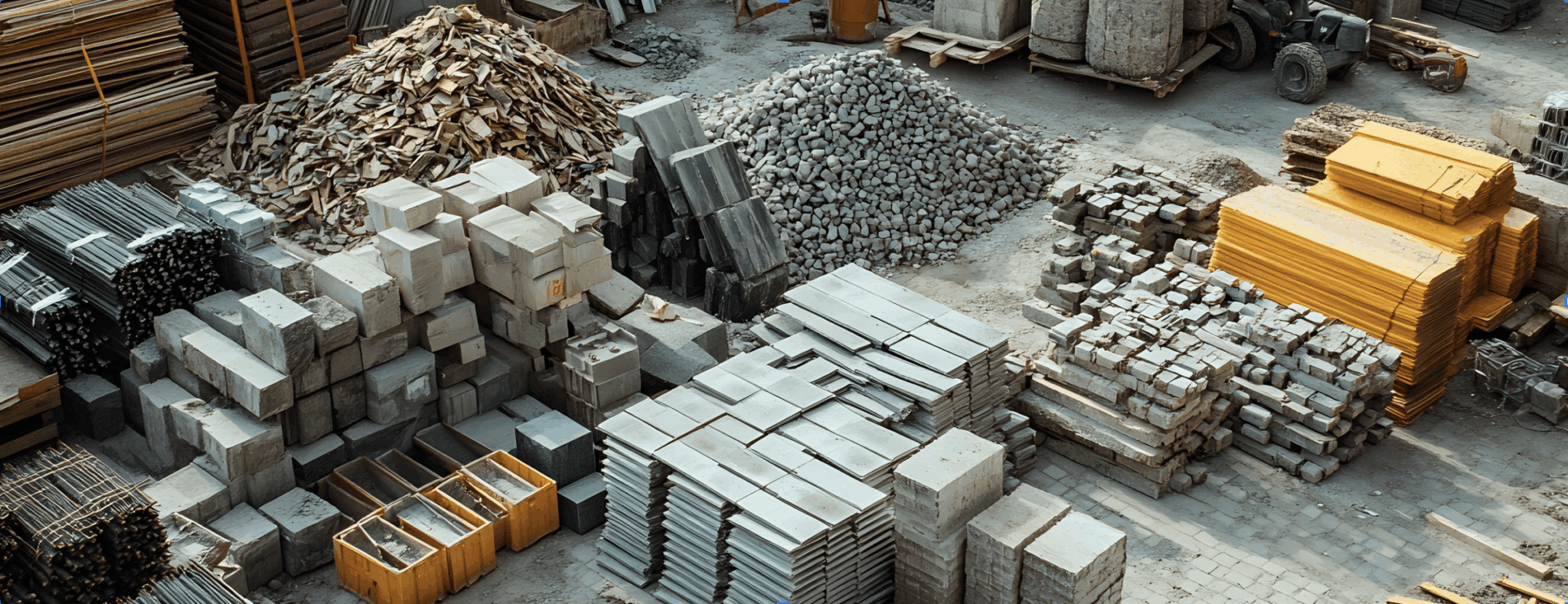
revalu’s platform consolidates verified data extracted from EPDs, LCAs, standards and certifications, allowing developers, architects, and contractors to compare materials based on sustainability criteria like carbon, water use, reuse potential, circularity, and toxicity.
The Biodiversity Blind Spot
According to Brockstedt, “Much of the data is out there, but hard to find. And some data doesn’t even exist yet.”
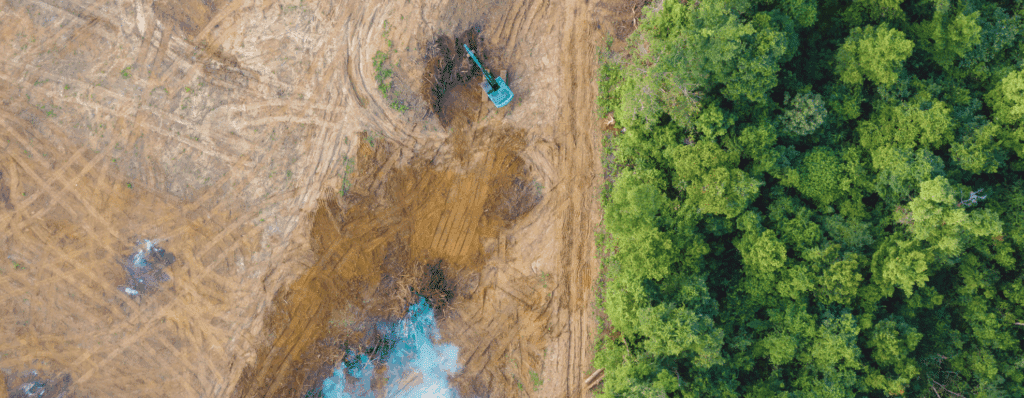
While climate metrics are evolving fast, data gaps still remain. Biodiversity, in particular, remains largely invisible in the built environment. “Can you even put a number on it?” Brockstedt asks. “That’s the challenge. There’s no standard yet.”
PRF and partners are in the process of developing a method to quantify the biodiversity impact across the construction value chain . The initiative, led by Upstream Partners, with partners Sweco and Aaen Engineering and supported by Realdania, PensionDanmark, AP Ejendomme and PRF, aims to make biodiversity visible across the value chain. The hope is that biodiversity impacts will be factored into future decision making, alongside other sustainability metrics on revalu’s platform.
According to Brockstedt, it’s just a matter of time before data and infrastructure gaps are filled by innovators. But sustainability data and logistics will not, by themselves, drive better decision making. Attitudes towards sustainable materials are shifting. Slowly.
Sustainable Mindsets
What is dampening preferences towards sustainable materials? According to Brockstedt, decision makers are “more concerned with their convenience and livelihood than the sustainability of their actions.” Fair enough. But can sustainability criteria satisfy Maslow’s hierarchy of needs?
“Lots of materials get good EPD numbers, but that doesn’t mean they are better materials. Equally, many high quality materials are on the market that extend beyond the conventional material palette used for the last century. But because they are not standardised, they are perceived as high-risk.” In the context of circularity, Brockstedt reminds, “A brick is a brick – reused materials are not worse quality.”
The takeaway? Material change demands a different mindset.
Beyond Data - Attitudes Drive Change
“It’s not just about compliance and numbers. It’s about expanding the sense of what’s possible.”
revalu’s platform reflects an even more ‘sustainable’ mindset shift in the market – “a growth of understanding that local economies can benefit from a move to the new norm of materials.”
To demonstrate, Brockstedt cites French restoration project Atelier LUMA/ BC Materials building LOT 8. revalu collabroates with such institutions across Europe to diversify and scale resource maps and step into shorter, more local supply chains.
Sustainable Construction is not Impossible – It’s Local
The project exclusively sourced materials from the Camargue bioregion, tapping into local organic waste streams instead of using raw virgin materials. As a result, innovative new product categories were created and physically applied to the building. A non-load bearing brick, resistant to external weather conditions, was created by combining oyster shell aggregates and cockle lime with recycled concrete and slag furnace waste. Working with regional partners, Atelier LUMA adapted “agro-waste” (agricultural waste) from the local sunflower seed and oil industry and developed acoustic wall-cladding panels.
‘Atelier LUMA proved that it is possible to simultaneously foster the local economy, build the infrastructure and support the environment. I think this sort of real-world evidence of benefits to both local economies and nature is much more likely to enhance biodiversity and sustainability outcomes than a focus on carbon emissions data.’, says Brockstedt.
Demonstrating Value for People and the Planet
Though on a small scale, projects like Atelier LUMA are spreading across Europe and adding to the growing body of evidence supporting the application and impact of bio-regional materials. Working with these partners, Brockstedt hopes that revalu will “become a map of biobased resources for local communities to tap into, helping new solutions scale.”
The revalu platform constantly evolves with new data, and project owners can reach out to Kika Brockstedt to catalogue project materials on the site. Reach out to PRF for sharing knowledge about how we can serve both people and the planet.
Biodiversity & the Construction Value Chain Series
This article series explores the negative impact on biodiversity from the construction value chain and explores solutions from changemakers. Learn how the built environment is impacting our natural world and get inspired to address the biodiversity crisis.