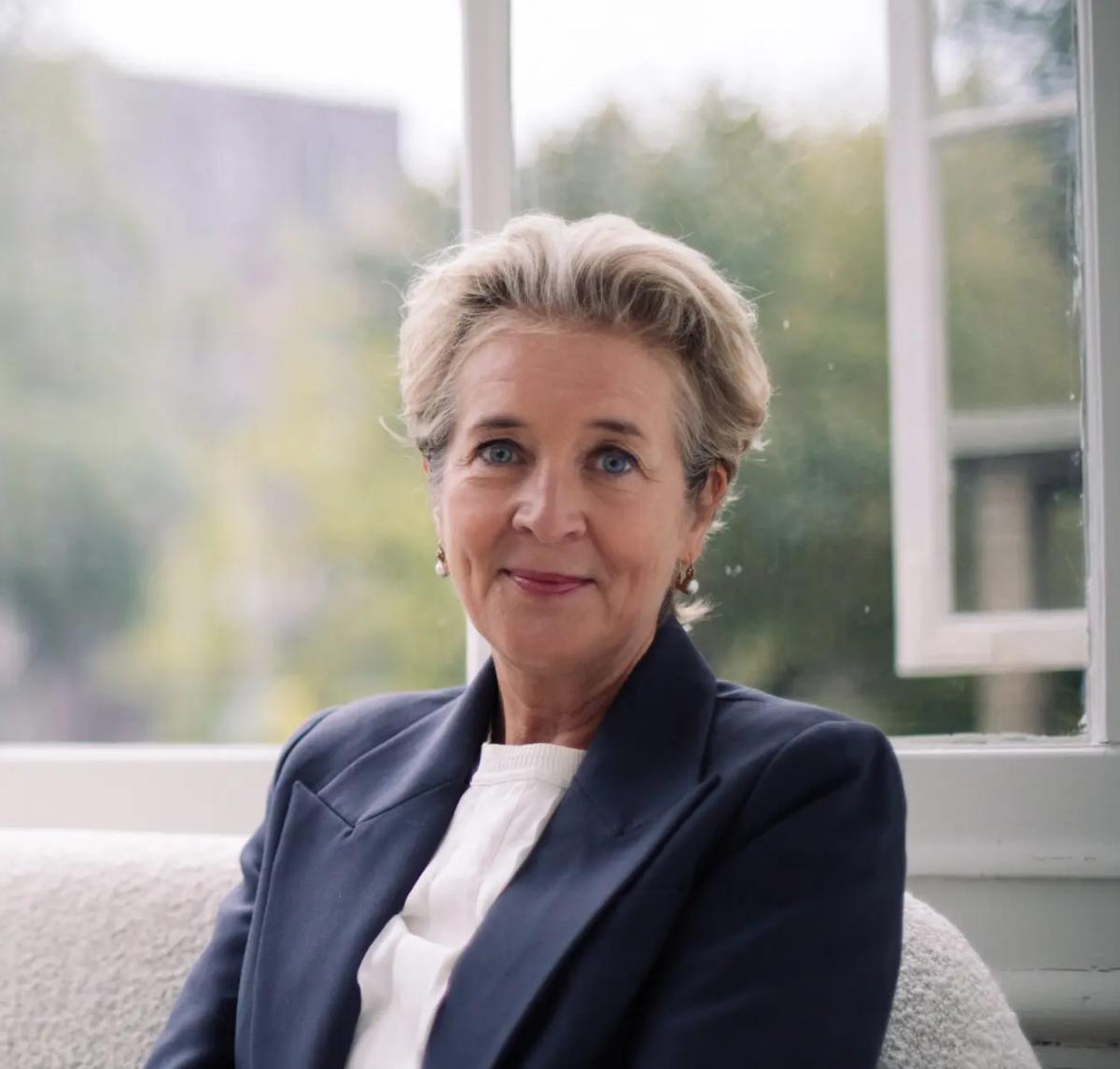
In recent years, the concept of Impact Investing has gained traction as global awareness grows regarding the pressing need to address environmental challenges. But what exactly is Impact Investing, and why is it critical for driving sustainable development? To explore this, we spoke with Birgitte Frost Mathiesen, CEO of Invest for Impact Denmark, a key player in mobilizing capital towards impact investments, including those related to nature and biodiversity.
Types of nature finance tools
At its core, Impact investing is investments made with the intention to generate positive, measurable social and environmental impacts alongside a financial return.
“Impact investing is about consciously investing to solve a problem, whether it’s related to climate change, biodiversity, or social issues,” says Birgitte Frost Mathiesen
The role of private and public investment
When asked where the funds for impact investments should come from, Birgitte stresses the importance of a broad range of investment actors:
“It’s vital to have both public and private sector involvement. No single entity can bear the financial burden of restoring our planet. We need governments, institutional investors, and businesses to work together.”
Birgitte’s work at Invest for Impact Denmark focuses on aligning these different stakeholders toward common goals. She notes that globally, more than 50 councils are working to drive more capital towards impact investments.
Overcoming barriers to impact investing
One of the most significant barriers to scaling impact investments is the lack of a common language and framework for measuring the actual outcomes of these investments. Birgitte explains:
“One of the biggest challenges we face is the need for shared definitions and reliable metrics that demonstrate the real-world impact of these investments.”
Without these shared standards, investors may be hesitant, fearing that impact investments are just “feel-good money.” However, Birgitte is optimistic, highlighting that investments in areas like green energy have already begun to deliver both financial and impact returns. For example, she references Swedish Summa Equity’s investment in Sortera, a company focused on advancing the circular economy through efficient waste management and recycling.
Under Summa Equity’s ownership, Sortera has seen remarkable growth, with revenue increasing sevenfold and operating profit fivefold. Waste sent to landfills has been halved, and in Sweden alone, Sortera has reduced CO₂ emissions by nearly 67,000 tons, helping over 11,000 customers improve waste management.
Why financial return is crucial
Birgitte is clear on one crucial point: impact investments must offer a financial return. This is not just to attract more investors but to ensure the sustainability of these initiatives:
“The financial return guarantees that the positive impact continues. Philanthropic funds are limited, but impact investments with a solid financial basis can attract more mainstream capital and create lasting change.”
The future of impact investing
Looking ahead, Birgitte envisions a future where Nature Finance is mainstream, with a more significant portion of capital being directed toward impact investments. In Denmark, only 2-3,2% of investments are currently impact-oriented, a figure that is similar across the EU. Birgitte’s goal is to see this number rise to at least 10% over the next five years.
To make this vision a reality, several steps must be taken, including:
- Creating Shared Definitions: Establishing common standards and metrics to measure the impact of investments.
- Public-Private Partnerships: Encouraging collaboration between governments and businesses to scale investments in nature and biodiversity.
- Changing Legislation: Advocating for new laws that allow institutional investors, such as pension funds, to allocate capital towards impact investments.
Conclusion: a collaborative effort for lasting impact
As Birgitte concludes, Impact Investing is not just about environmental protection but also a strategic approach to ensure long-term prosperity for both people and the planet.
Through a blend of public and private funding, standardized measurement tools, and supportive legislation, impact investments can help address the world’s most pressing challenges, from climate change to poverty.
Invest for Impact Denmark
Invest for Impact Denmark is a national partnership dedicated to promoting impact investments in Denmark. It connects various stakeholders, including investors, businesses, advisors, and public organizations, to support positive social and environmental change.
Through knowledge-sharing and advocacy, it supports strategies that yield social and financial returns.
Learn more at Invest for Impact Denmark.
Other sources of information:
Planetary Responsibility Foundation key facts
- Founded: 2022
- Headquarters: Copenhagen, Denmark
- Purpose: To protect and preserve our planet’s nature and biodiversity and promote sustainable development. We do this through a holistic mindset and mission-driven investments and projects that make a difference for both people and the planet and to create returns that can be reinvested in the foundation’s work.
- Strategy: The foundation strategy has two components, RESTORE (nature restoration) and RETHINK (sharing knowledge about building and living more sustainably) that guide our work, and help us create lasting impact.
Follow us on LinkedIn and be updated on new articles.
For more information, visit: www.prf.dk