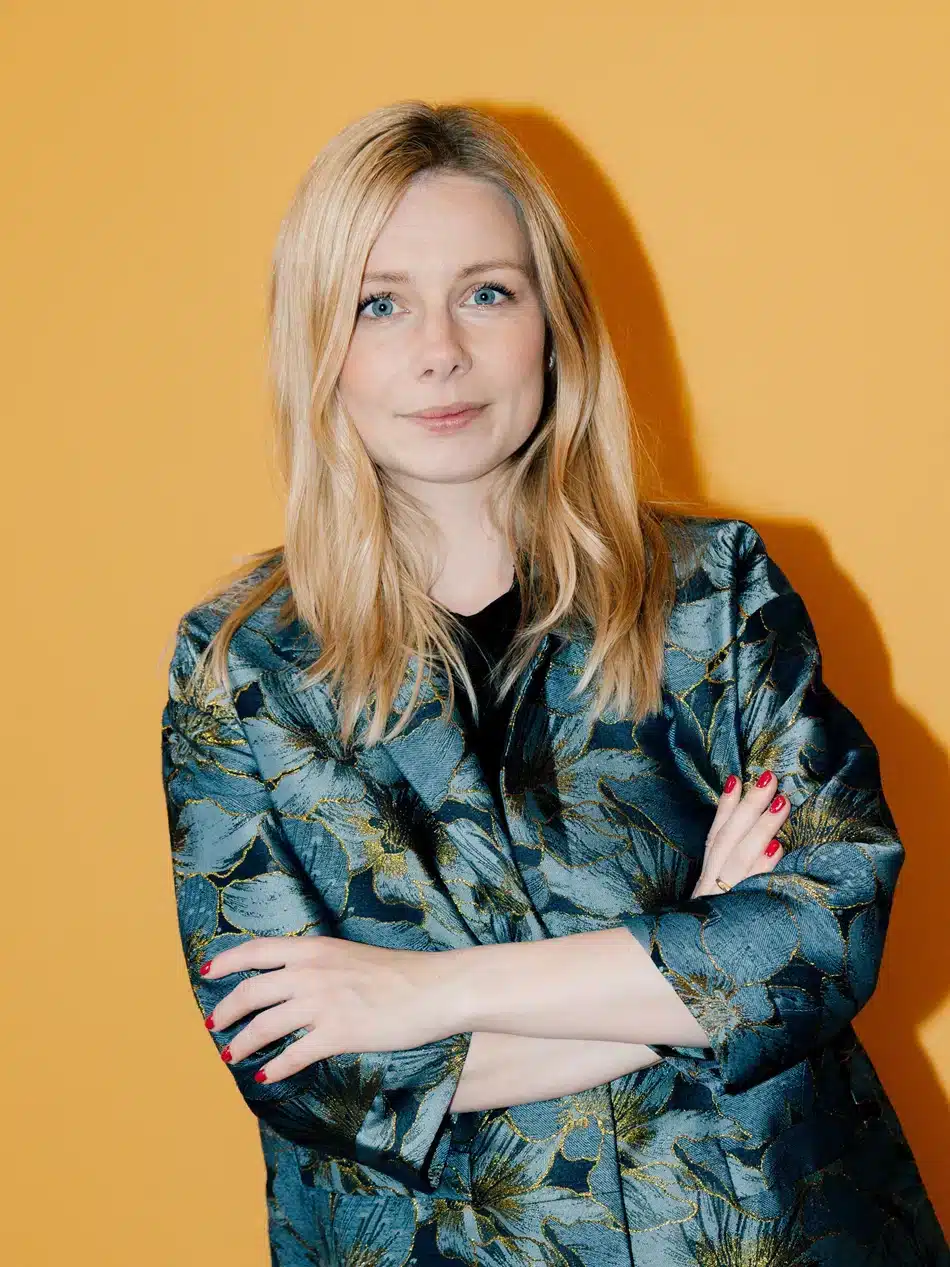
As the world faces an urgent climate and biodiversity crisis, the European Union (EU) is poised to lead the global green transition says Sigrid Friis, newly appointed MEP and ViceCoordinator for Renew Europe in the European Parliament’s Industry, Research, and Energy Committee.
Sigrid Friis is determined to drive ambitious reforms in the EU. Her focus is clear: revamping agricultural subsidies, securing energy independence, and cementing Europe’s role as a leader in the fight against climate and nature change.
Europe as a global climate leader
Friis sees the EU’s political and economic power as crucial in tackling the climate crisis. “We have the opportunity to change the course of history on climate and nature change,” she says, emphasizing the need for Europe to rethink how it uses its resources—especially in agriculture.
At the core of her plan is reforming the EU’s Common Agricultural Policy (CAP). Currently, CAP subsidies favor large-scale, animal-based farming, which Friis argues is inefficient and harmful.
“Only one-third of EU agricultural subsidies go to plant-based farming. That must change.” She envisions redirecting funds to promote greener practices, which will help align EU agriculture with its climate and nature goals.
CAP reform: a critical step
Friis is pushing for a 10% cut in agricultural subsidies, which could free up to approximately 26.8 million euros, between 2028 and 2034. She also calls for phasing out “coupled support,” additional payments to farmers for animal slaughter, and shifting funds toward sustainable farming practices.
“We need to make agricultural policy smaller and greener,” she asserts, with the goal of incentivizing farmers to adopt environmentally friendly methods.
Overcoming policy roadblocks
The slow pace of policy-making is a major hurdle, according to Friis. “Politics moves too slowly, while the climate and biodiversity crisis moves too fast,” she warns. Her solution is to bring clear, actionable plans to negotiations, cutting through bureaucracy to deliver results. Outdated policies, like subsidies for fossil fuels and tax exemptions for aviation, also stand in the way of progress. These, she argues, must be reformed or scrapped to make room for a greener, fairer system.
Energy independence and security
Friis sees energy policy as central to the green transition, not just for sustainability but also for Europe’s security.
“Energy independence is key to our security, climate efforts, and economic competitiveness,” she says. Building a robust renewable energy infrastructure—particularly wind and solar—will reduce reliance on external energy sources and strengthen Europe’s position in the global economy.
Financing the green transition
The green transition won’t come cheap, and Friis acknowledges that everyone will need to contribute. Her approach? Reduce the agricultural budget by 10% and introduce a climate tariff, with revenues channeled into green projects. She also advocates for collective borrowing at the EU level —similar to the response during the COVID-19 pandemic—to fund large-scale climate initiatives.
“We’ve done it before with COVID. We can do it again for the climate.”
The stakes couldn’t be higher
The consequences of inaction are stark. “If we don’t act now, it may be too late,” Friis warns. The green transition isn’t just a political priority—it’s about preserving the planet for future generations.
She believes the EU can lead by example, helping member states adopt and maintain strict environmental standards. However, ensuring equal contributions from all countries remains a challenge.
A call for action
Friis is optimistic but realistic. She understands the political and systemic obstacles ahead but remains committed to pushing through reforms in agriculture, energy, and finance.
“Full speed ahead, no matter what,” she insists when it comes to climate and nature action. Her vision for the EU is one of hope, urgency, and action—because, as she puts it, “The green transition cannot wait.”
Sigrid Friis
- Position: Member of the European Parliament (MEP), Vice-Coordinator for Renew Europe in the Committee on Industry, Research, and Energy (ITRE)
- Political Party: Radikale Venstre (Danish Social Liberal Party)
- Appointed: July 2024
- Responsibilities: Overseeing European energy independence, industrial policy, and research initiatives within the EU. Actively involved in shaping policies related to the green transition, renewable energy, and sustainable industry.
- Focus Areas: Reform of the EU’s Common Agricultural Policy (CAP), reducing subsidies for fossil fuels, promoting sustainable agricultural practices, and advancing Europe’s leadership in climate action.
- Vision: To drive swift and decisive political action in response to the climate crisis, aiming for a greener and more sustainable Europe.
- Key Goal: Reforming EU agricultural subsidies to prioritize plant-based and eco-friendly practices, reducing emissions, and fostering biodiversity.
Planetary Responsibility Foundation key facts
- Founded: 2022
- Headquarters: Copenhagen, Denmark
- Purpose: To protect and preserve our planet’s nature and biodiversity and promote sustainable development. We do this through a holistic mindset and mission-driven investments and projects that make a difference for both people and the planet and to create returns that can be reinvested in the foundation’s work.
- Strategy: The foundation strategy has two components, RESTORE (nature restoration) and RETHINK (sharing knowledge about building and living more sustainably) that guide our work, and help us create lasting impact.
Follow us on LinkedIn and be updated on new articles.
For more information, visit: www.prf.dk