Is it possible for the built and natural environment to work together for the sake of people, profit and planet?
Having already achieved 90% of its 30 x 30 commitments, Costa Rica exemplifies how biodiversity can grow together with the economy. In this piece, environmental lawyer Fernanda Jiménez Sauter sheds light on the legal foundations underpinning this achievement, and explores the costs and benefits of placing nature at the heart of Costa Rica’s economic strategy.
“Q: Costa Rica had one of the highest deforestation rates in the 1980s. What was the key turning point in its environmental journey?”
Between 1950 and 1980, Costa Rica’s economic policy supported agricultural development and timber production, promoting cattle ranching and the conversion of forest to farmland.
After the 1992 Rio Earth Summit, Costa Rica overhauled its environmental framework, laying the foundation for policies that continue to shape the nation today:
1994 Constitutional Reform: Enshrined a human right to a clean and healthy environment.
Organic Law of the Environment (1995): Mandated environmental impact assessments (EIA) for development projects and established enforcement mechanisms to ensure compliance.
Forest Law No. 7575 (1996): Introduced payments (incentives) for landowners to make environmental protection efforts, including reforestation and ecosystem services, specifically carbon sequestration, hydrological services, biodiversity protection, and the preservation of scenic beauty. Made it illegal to cut down any tree which met the “forest” threshold.
Biodiversity Law (1998): Creation of the National System of Protected Areas, ensuring long-term conservation efforts across diverse ecosystems.
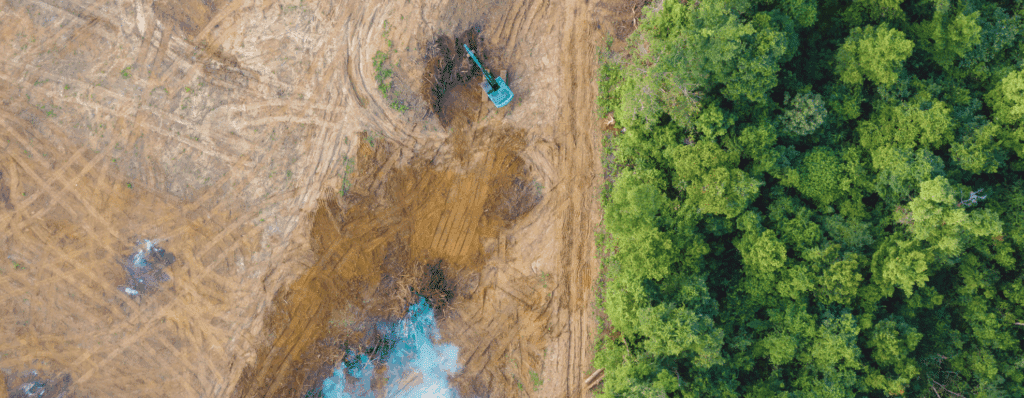
These legislative measures collectively reversed Costa Rica’s deforestation trends. Forest cover increased from about 25% in the 1970s to over 50% today.
“Q: What role did economic strategy play in Costa Rica’s environmental leadership?”
Costa Rica made a bold decision to position nature at the heart of its economic strategy, diverging from many of its neighbours that focused on extractive industries. This shift was underpinned by two key factors:
Strong renewable energy sector – For more than 20 years, over 90% of Costa Rica’s electricity has come leveraging its abundant natural resources which include hydroelectric capacity, wind farms, and geothermal energy.
Focus on tourism and knowledge-based industries – Costa Rica doesn’t have an army. We chose to redirect that budget towards education. This means we built a strong intellectual offering, including medical device manufacturing, microchip production, and back-office services. This has reduced the country’s dependence on resource extraction and agriculture.
“Q: Has tourism been a net positive for conservation, or has it created new challenges?”
Tourism has been a double-edged sword. On one hand it has been a huge success, supporting economic growth and funding conservation efforts. Tourism accounts for 8.2% of the country’s GDP and 8.8% of its total employment, and the Government has endeavoured to foster sustainable and controlled growth through:
Land Use and Biodiversity Protection: Strict laws offer protection for land, bodies of water, trees, and biodiversity, making permit processing for development slow and costly. Many projects (especially large ones) must go through lengthy bureaucratic processed to obtain all operating and environmental permits. This has led to a prevalence of boutique, high-cost accommodations.
Organic Law of the Environment: EIAs are required for all significant development projects. EIAs ensure potential environmental impacts are identified and mitigated, aligning development with conservation goals.
Certification for Sustainable Tourism (CST): Established by the Costa Rican Tourism Board, the CST program encourages tourism businesses to adopt sustainable practices. This certification has become a global model for best sustainable tourism practices.
On the other hand, the recent influx of international visitors and investors has posed significant challenges, including:
Infrastructure Pressure: Costa Rica’s water laws date back to 1942 when the population was just 700,000 and annual tourist numbers were only 7,000. Today, the country has 5 million residents and welcomes 2-3 million tourists each year. Coastal aquifers are under stress, and some developments have drilled illegal wells, threatening local water supplies.
Gentrification & Housing Crisis: Wealthy foreigners are purchasing land and driving up property prices, particularly in environmentally-rich coastal areas. This is pushing out locals and disrupting communities in villages.
“Q: Costa Rica is the only tropical country to simultaneously reverse deforestation and grow its economy. How has Costa Rica achieved such remarkable conservation success? ”
This is largely due to the National System of Protected Areas and the Payment for Ecosystem Services program, which financially compensates landowners for preserving forests.
Marine conservation is a newer focus. By expanding marine protected areas to 30% of its territorial waters, Costa Rica is making strides in ocean conservation. Current challenges relate to resource constraints, for example:
Funding gaps: More marine rangers and monitoring resources are needed to effectively enforce protection laws.
Limited enforcement capacity: As Costa Rica has no military, it cannot leverage naval infrastructure to protect the Exclusive Economic Zone from illegal fishing and trafficking. Unmanned or less resource-intensive modern satellite monitoring and tracking technology systems are limited at presents.
“Q: What does the future hold for Costa Rica’s environmental leadership?”
Costa Rica remains a pioneer, but it faces critical challenges in adapting its legal and economic models to new pressures. With ongoing discussions about modernizing its water laws, strengthening waste management regulations, and expanding renewable energy sources, the country is at another turning point.
Regulatory leadership has been consistent and forward-thinking. The highly successful reforestation incentive program is financed by a fossil fuel tax – each time a Costa Rican puts petrol in their car, they are paying to reforest the country. The government has proactively considered mechanisms to keep the program afloat given the expected boom in electric vehicles. Likewise, privately reforested property pursuant to the Forestry Law is legally protected and cannot be destroyed through development.
Nature Regulation Article Series
This explainer is part of a series of articles on Nature Regulation. The series will explore key regulations affecting nature and biodiversity in the EU and global biodiversity hotspots. The purpose of these articles is to provide clarity and insight into the legal frameworks designed to protect and restore nature.