The construction sector plays a central role in the global economy, being an annual consumer of 40% of global raw materials and 40% percent of the energy. This makes the construction sector one of the world’s most resource-intensive industries, with a correspondingly high carbon footprint, as documented in the World Economic Forum’s report, ‘New Nature Economy Report II: The Future of Nature and Business’.
At the same time, more than half of all economic activity in the construction sector is moderately or significantly dependent on nature and its resources, making the sector vulnerable to biodiversity loss. Additionally, an alarming fact is that almost half of the world’s ecosystems are in decline, and a quarter of the planet’s species are endangered, according to The Intergovernmental Science-Policy Platform on Biodiversity and Ecosystem Services, IBPES.
ConTech Lab, along with leading Danish knowledge institutions, biologists, and companies, has focused on the need for a common data foundation for biodiversity in construction. This foundation can standardize biodiversity efforts, making them measurable and tangible.
COMMON METHOD PROVIDES CLEAR DIRECTION
With current requirements and guidelines from the EU Green Deal, the construction sector is mandated to minimize the impact on natural habitats and protect biodiversity for future generations. Therefore, it is highly relevant to develop a common Danish method and establish how to measure on-site and off-site to allow for comparison, documentation, and scaling of good solutions for the benefit of the sector and society at large.
“It is very welcome that we have reached a point where biodiversity concerns more than just those who think about it first thing every morning. Most people understand the scope of the biodiversity crisis, but no one knows exactly what to do on Monday morning. There is still a need for a clear direction on how we can act effectively. Innovation plays a central role here. But to innovate, we must first be able to measure and understand biodiversity in a common and comparable way,” says Christina Haupt Toft, Vice President at ConTech Lab.
ConTech Lab has led the effort to develop a national, industry-wide method for mapping urban nature since the beginning of 2023 in broad collaboration with industry companies and research institutions. The primary goal is to channel today’s fragmented attention to biodiversity into coordinated and measurable actions that companies can benchmark, thereby strengthening efforts on biodiversity and quality of life in urban areas.
The method is not just a technical tool; it is also a foundation for players in construction to measure and manage their impact on biodiversity in a structured way on-site.
TECHNOLOGY ENABLES SCALING
“If we have ways to benchmark, we can also find ways to do better than the benchmark,” says Christina Haupt Toft. This aspect of the method will help the industry identify best practices and continuously improve their biodiversity efforts.
Developing the national method is not without challenges, Christina Haupt Toft points out: “It is complex, both academically and structurally, to develop a common method for calculating and mapping nature, but it is essential that we find common ground if we are to enhance biodiversity efforts in construction — and we must.”
As more industry players need to work actively on biodiversity, technology necessarily also plays a greater role in future efforts. With technology, data collection can be scaled, and more efficient measurements of biodiversity can be achieved over time. Technology should support the work of biologists and help more industry players make data-driven decisions for the benefit of biodiversity in the built environment.

A result of the research project is the Bynatur.app that supports the mapping and measuring of biodiversity in cities. (App in Danish)
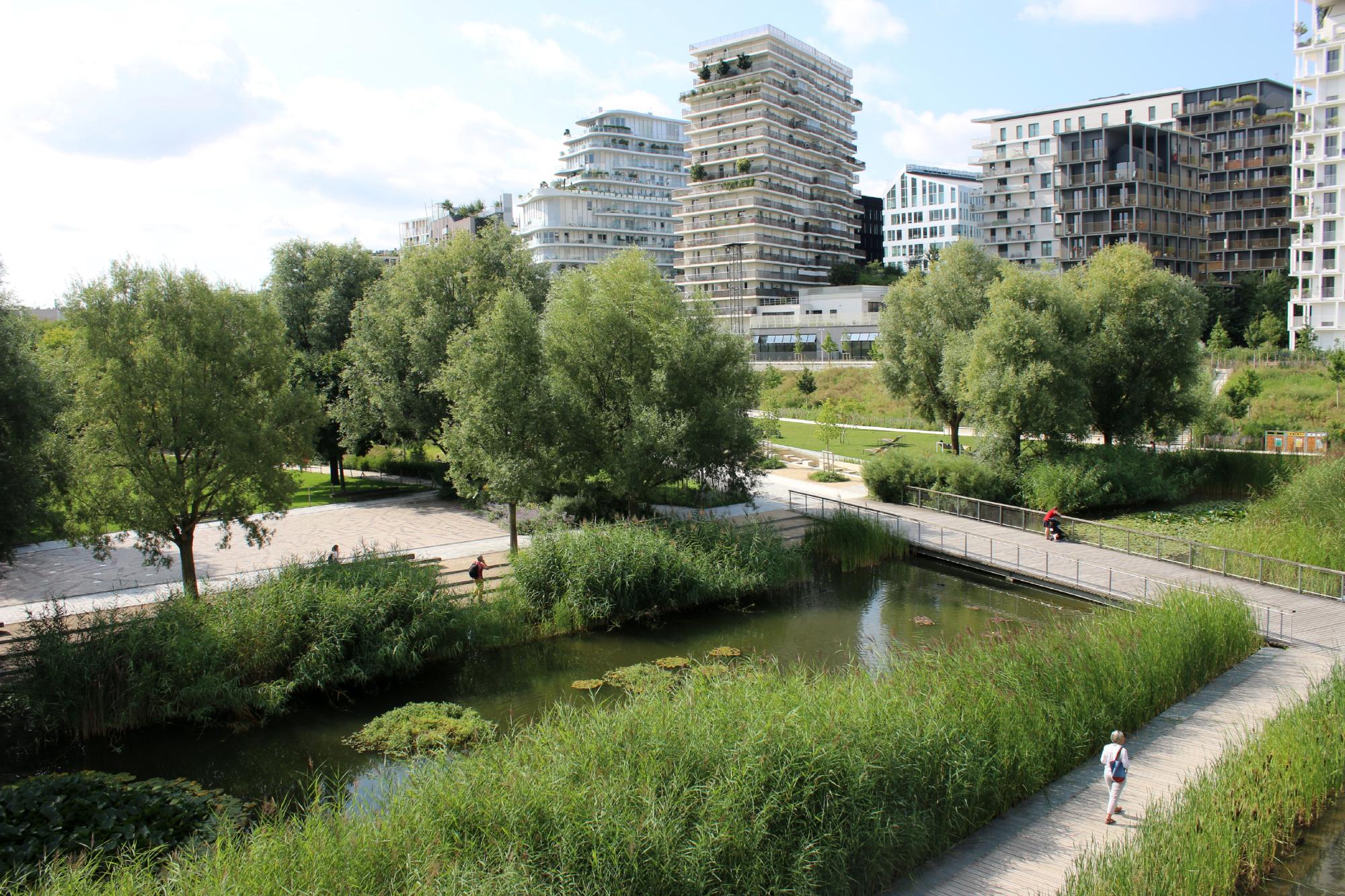
A common data foundation and an industry-wide method for mapping urban nature represent an important step toward creating sustainable and biodiverse buildings and cities. This effort requires collaboration across sectors, technological innovation, and a changed perception of nature’s role in the built environment.
More and more companies, municipalities, and investors are taking the first steps in implementing biodiversity strategies and initiatives in urban areas. This attention indicates momentum and a willingness to make an effort. Through collaboration, common digital working methods, and data sharing across the value chain, the construction sector can create significant change, which is needed.

ABOUT ‘THE NATIONAL METHOD FOR CITY NATURE MAPPING’
The method marks a significant step toward a common, structured, and digital approach to mapping and measuring biodiversity in cities. The common method means that players in the construction and property industry do not have to invest resources in developing their own methods, which ultimately do not yield comparable data. Instead, a common foundation is created for the work on biodiversity
Data collection and reporting are transparent and accessible to the entire industry through a common app: Bynatur.app for registration, reporting, and documenting biodiversity. The method already has nearly 400 users, primarily pension funds, major companies, municipalities and consultants.
Methodological background: The mindset and the method are aligned with UK Biodiversity Metrics, used for documentation in connection with Biodiversity Net Gain (a requirement for project development in England). The method is widely accepted, developed, and tested over 10+ years.
The continued development path towards spring 2024:
- Strengthen the national method (weighting, scoring calculation, habitat systematics, maintenance, data storage over time)
- Development of the digital foundation and technology testing
- Mapping of derived values (social, aesthetic, cultural heritage)
- Implementation, anchoring, and scaling Aarhus University (Institute of Ecoscience) leads the methodological work in the project, as they also conduct the national mapping of nature outside cities
Project partners include: Aarhus University, SLA, Oiko, Ramboll. COWI, NIRAS, Habitats, The Royal Academy, WSP, Natur360, STED Landscape Architects, The Council for Sustainable Construction, Molio, Realdania and ConTech Lab – a part of Molio.
For more detailed information on ConTech Lab and the method.
Planetary Responsibility Insights are based on interviews with experts, scientists, business leaders and others with the purpose of sharing knowledge and opinions about sustainability and nature-based solutions in the built environment.
ABOUT PRF
PRF is a private, commercial foundation, established in 2022. Our purpose is to help restore and protect the planet’s nature and biodiversity and promote sustainable development. We do this through a holistic mindset, mission-driven investments and projects. A key element of our strategy is about doing business differently and in better balance with nature. Therefore, we invest in and support sustainable solutions and knowledge sharing on how to build and live more sustainably.
Did you find this article interesting?
Follow us on LinkedIn and be updated on new articles.
For more information, please visit www.prf.dk