How Biodiversity serves Humanity
Animals, plants and earth itself all have an inherent value. Unfortunately, this existential fact does not guarantee freedom from exploitation.
The benefits to human well-being have been neatly categorised by the UN-sponsored Millennium Ecosystem Assessment into four ecosystem services.
Construction’s Dependence - and Impact - on Nature
The construction sector is particularly dependent upon nature’s provisions. The industry consumes 50% of all extracted raw materials, and has therefore been disproportionately responsible for its destruction. To date, it is estimated that the construction industry:
- directly impacts almost 1/3 of threatened and near-threatened species
- generates 33-50% of the world’s solid waste
- threatens 5,000 species of trees with extinction
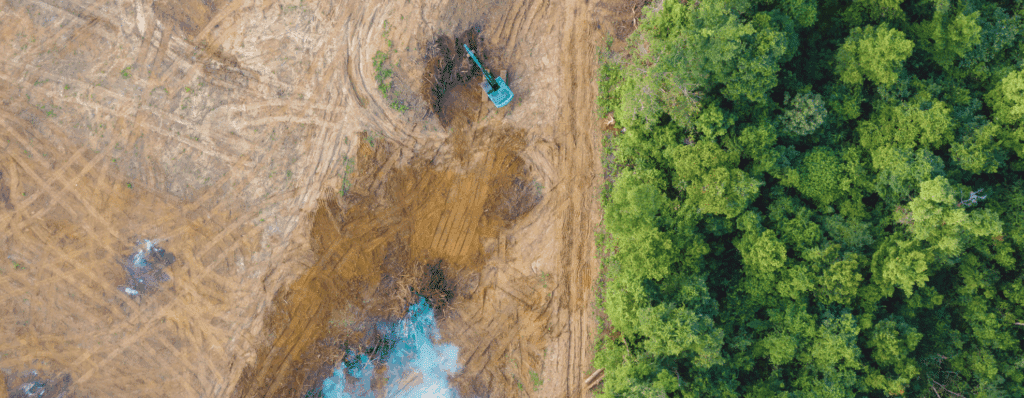
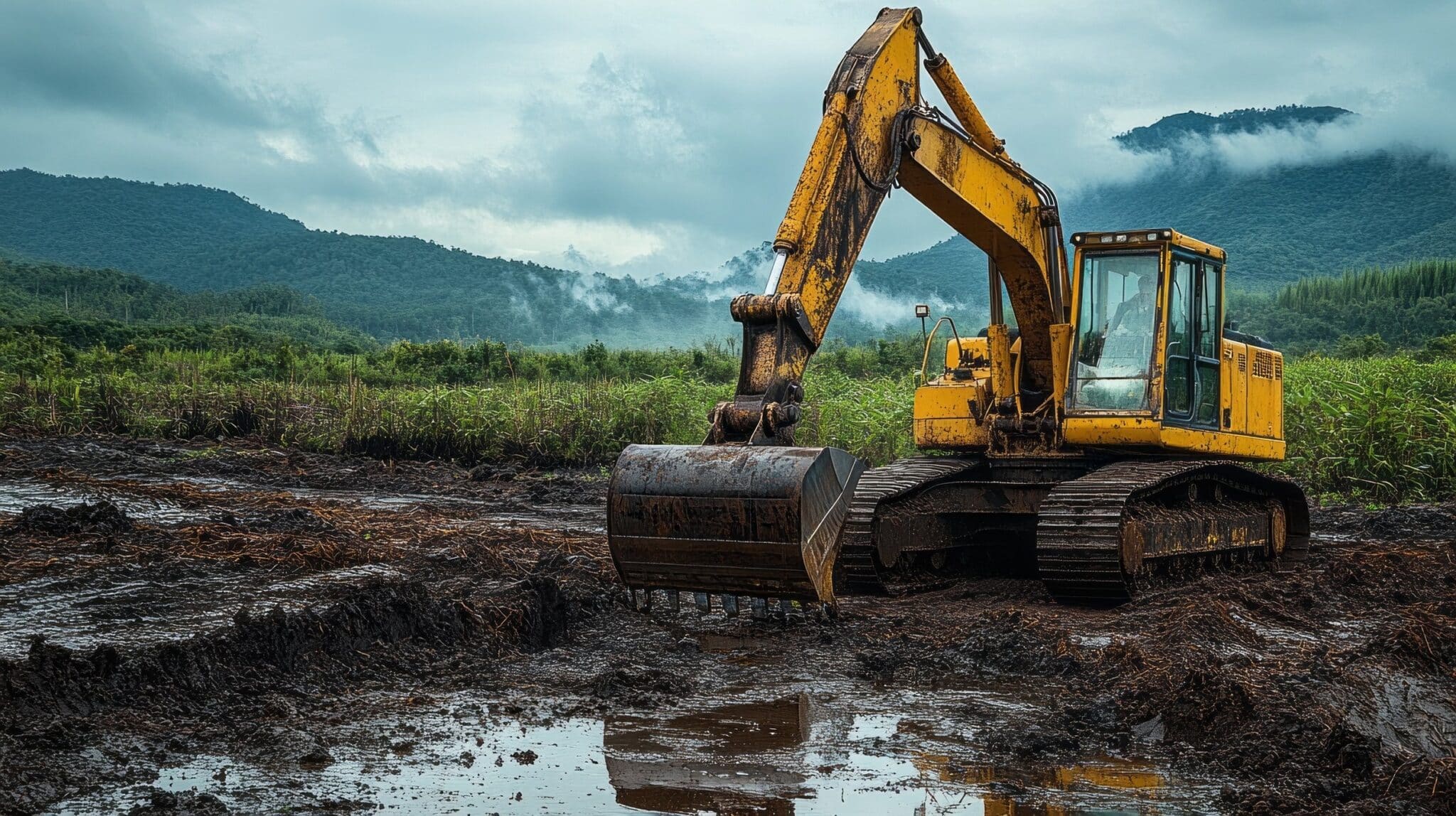
From forests cleared for timber to wetlands drained for sand mining, the impacts ripple across the value chain. Key pressure points include:
Upstream
- Raw material extraction
- Land-use change (deforestation, habitat fragmentation)
- Logistics and energy use
- Labour and social equity impacts in biodiversity-rich but governance-poor regions
Downstream
- Construction waste and pollution
- Urban sprawl and ecological fragmentation
- Reconstruction, renovation, and end-of-life design choice
And the impact of the value chain the planet?
By 2030, urban land cover is expected to increase by 1.2 million km2. By 2050, the built environment is expected to double to accommodate an urban population of 7 billion.
What will this expansion mean for biodiversity? And how will biodiversity’s decline affect the built environment? Much remains to be seen, but the latest UN reports and projections are cause for universal concern.
Planetary Boundaries and Biodiversity’s tolerance
In 2023 scientists confirmed that humanity had pushed the earth beyond six of its nine planetary boundaries.
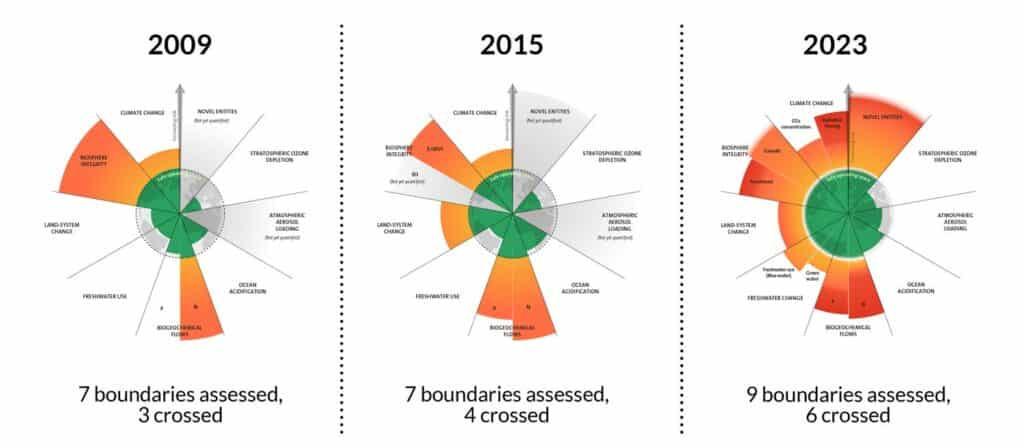
Source: Stockholm Resilience Centre
The rate of human-induced biodiversity loss is historically unprecedented, and the earth is now entering its 6th mass extinction event.
The nine boundaries are interconnected and interdependent. Biodiversity loss directly impacts some boundaries (e.g. freshwater, land-systems, biogeochemical flows and biosphere integrity) and indirectly impacts others.
Humanity, nature and businesses are already facing the consequences of boundary transgression, namely “large-scale abrupt or irreversible environmental changes.”
What’s Next? Building for both people and planet
The future of biodiversity and the built environment are intertwined. Continuing with “business as usual” is no longer viable. However, by adopting regenerative practices, the construction industry can become a force for ecological restoration.
According to McKinsey, taking a proactive approach to managing nature-related risks and opportunities can create business value, reduce risks, and build organisational resilience.
Construction built the modern world. Now it’s time for it to help heal the natural one.