1. WHAT ARE YOUR ORGANIZATION’S SPECIFIC OBJECTIVES AND GOALS?
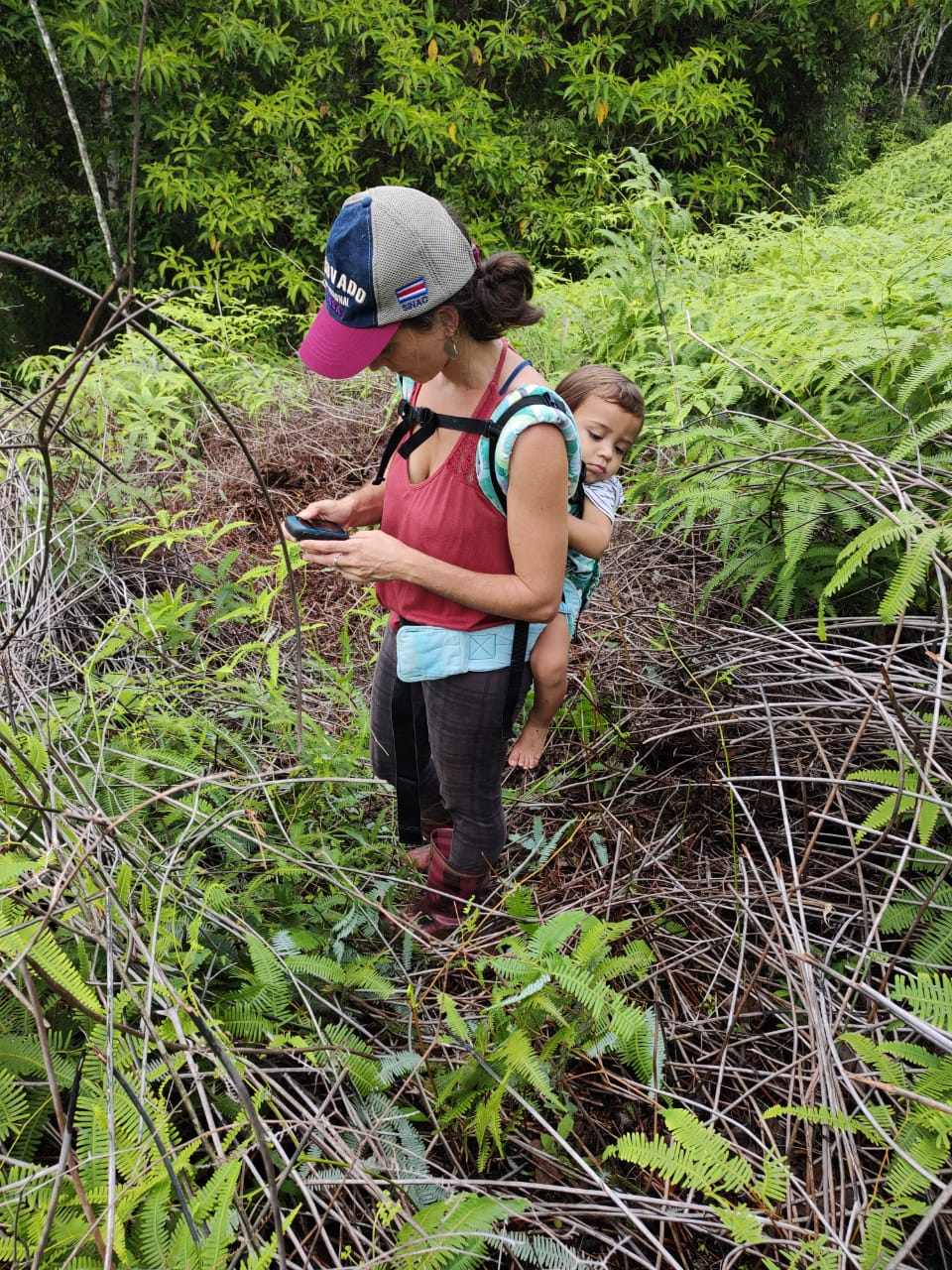
The Osa Peninsula in Costa Rica is one of the most biologically intense places on the planet. It represents the 50% of Costa Rica´s biodiversity and 2.5% of world´s biodiversity. It boasts a remarkably high biodiversity with twenty-five to thirty different ecosystems. Endangered plant and animal species, including large predators such as jaguars and pumas, call this region home. Additionally, the peninsula harbors many endemic species of birds and trees. Humpback whales rely on the waters that surround Isla del Caño and the Golfo Dulce as critical calf birthing habitat. Tapirs are also an umbrella species that are primarily affected by habitat loss and fragmentation due to cattle farming, and by hunting.
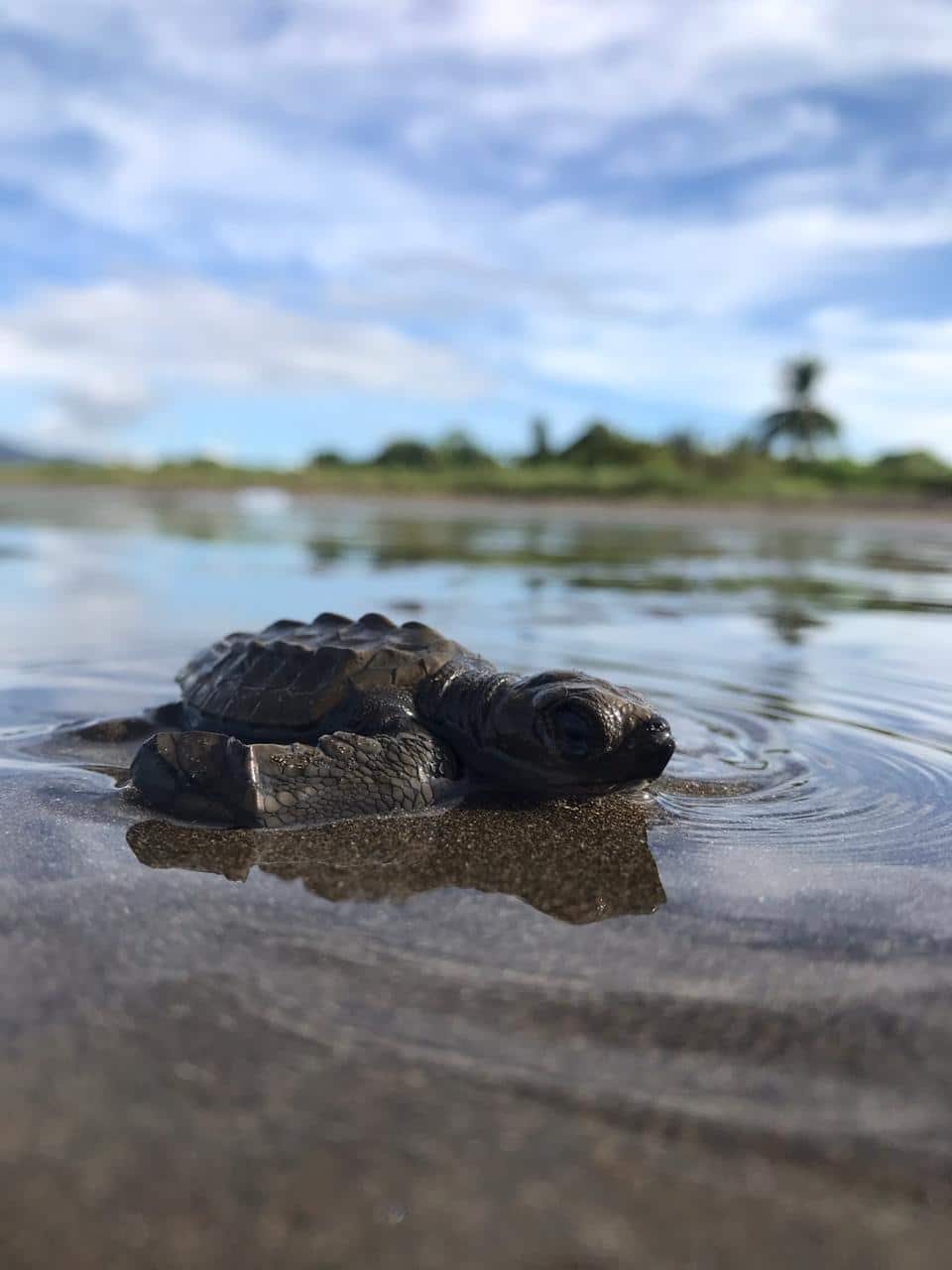
Some data: 10,000 species of insects, 364 species of birds (1 endemic (Tangara hormiguera carinegra) and 40 endangered), 184 species of reptiles and amphibious (14 of them are endangered, including 4 species of sea turtles) and lots of marine life. 3100 species of plants of which 139 are endemic, 700 species of trees, 49 of them endangered.
Corcovado Foundation points to five different areas of action:
Support for Protected Wild Areas: Support the consolidation of protected areas, as fundamental way to conserve the country’s biodiversity and natural resources in perpetuity.
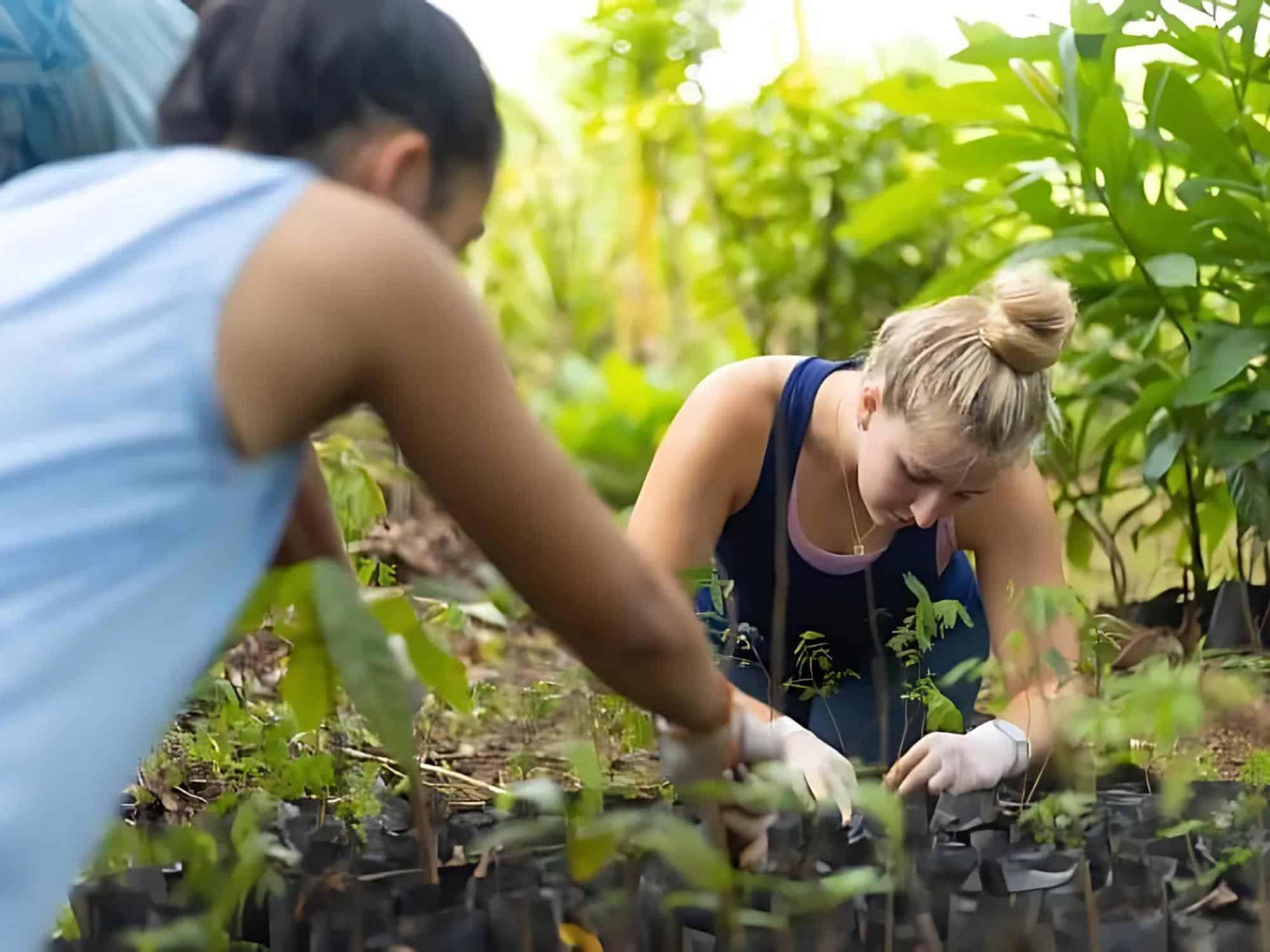
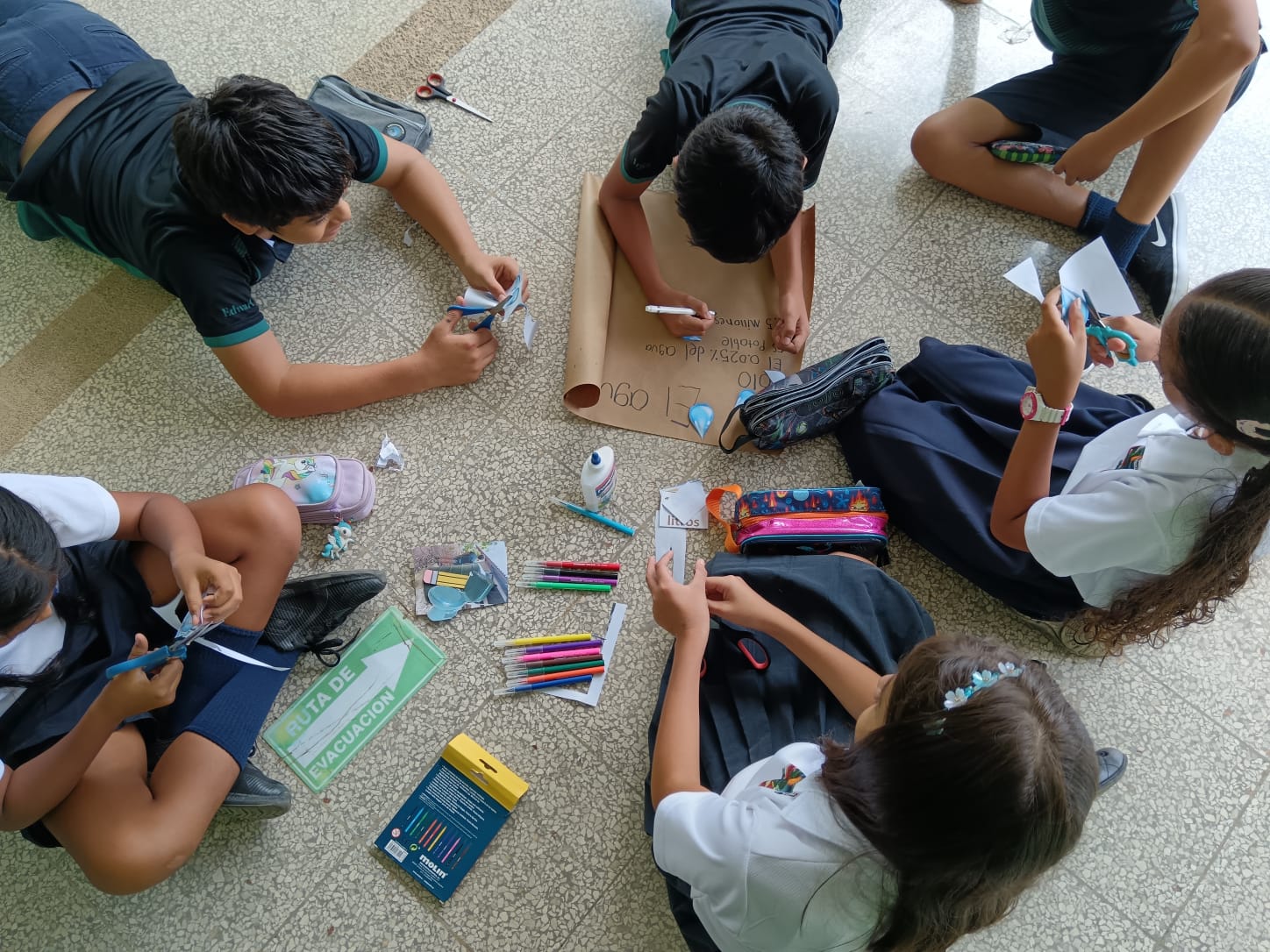
Education as a way for sustainability: Achieve community environmental education processes that generate awareness and knowledge for the sustainable use of natural resources.
Local participation: Make community participation effective as a means for decision-making in the conservation of natural resources.
The sustainable and equitable use of goods and services: Ensure that ecosystem goods and services are recognized and used sustainably and that they benefit local communities fairly and equitably.
Social benefits of conservation: Ensure that the sustainable use of biodiversity generates tangible socioeconomic benefits for local communities.
2. WHO DO YOU COLLABORATE WITH IN TERMS OF BUSINESSES, AND HOW DO BOTH PARTIES GAIN FROM IT?
Private companies, mainly the tourism industry, are a vital ally to the foundation’s efforts. The foundation obtains donations of staff time and money and in exchange, the company obtains more sensitized employees and training on environmental issues that the foundation offers. We also have a program called: “Make a difference”, where hotels charge their guest, $1 per night to be donated to the foundation. Some of them that have been successful with
3. WHAT WORKS WELL - AND LESS WELL – IN THE COLLABORATION WITH BUSINESSES?
Good communication with companies is essential. If the company knows how its money is invested and the impact it generates, it is easier to maintain the relationship over time. Communication from the company to the foundation is also important. Knowing how to adjust to their needs and being able to find a balance of mutual support is important.
Part of the success is that the company allows all its staff to know about the support it provides to the foundation, in this way, each worker becomes an ambassador of the organization. Precisely what does not work is when the relationship is only with senior management, since there is no permeability of information, and the staff is not committed.
4. WHAT WOULD BE ONE ADVICE FOR THE COMPANIES THAT IMPACT YOUR WORK?
Keep supporting our work and to promote philanthropy among their staff. Offer staff time to learn and get involved in community causes. This undoubtedly contributes to citizens being more aware of their needs and how they can help make a better world.
5. IF YOU COULD WISH FOR ONE SPECIFIC PRIVATE PARTNERSHIP – A COLLABORATION, PROJECT, OR SOMETHING ELSE, WHAT WOULD IT BE?
We used to have a project called “FACOSA” (Osa community support fund ). We would love to reactive it. It consists in funding for local initiatives, such as: buying computers for schools – the computers for the school was to help children have access to quality education. Improving the community hall, the community soccer field, water systems, among others. Community groups write proposals to the foundation to be consider and funded (up to $3,000).
The FACOSA projects was created to help community development in general. We know that we need people to have satisfy their basic needs before asking them to protect the natural resources. It was a project between 2012 and 2017 promoted by the Inter American Foundation (IAF). It consisted in fundraising to support community projects. Funds raised by the foundation were matched by the IAF. In that sense, we managed to raise $15,000 and the IAF contributed another $15,000 with which we managed to finance 10 community projects that presented proposals of up to $3,000 each.
The project with the football field goes to show how nature restoration comes in many shapes and colors. The project was written by the community (sports committee) and consisted in installing lights to the soccer field. We asked them the question: “how installing lights to the soccer field, would help nature?”. The answer was that community was known by hunting.
After work, they didn´t have anything to do, there were no recreational spaces to be used at night, so they went hunting just for fun. In Costa Rica, people love soccer, so by installing lights to the soccer field, they could go to play soccer instead of hunting. The project had a cost in materials of $11,000. The Corcovado Foundation donated $3,000, the sports committee $3,000 and the municipality $5,000. The labor for the installation was donated by the Costa Rican Institute of Electricity. In fact, people stopped hunting and every night went to play soccer. But besides that, women groups started selling food, artisans to sell their products and a local trade developed around it.
6. WHICH AND WHAT KIND OF RELATIONSHIPS DO YOU HAVE WITH NATIONAL AND INTERNATIONAL AUTHORITIES?
The Corcovado Foundation was created in 1992 to collaborate with the protection of the Corcovado National Park. Since its founding, there has been an alliance with the Ministry of the Environment and the National System of Conservation Areas. Over the years the relationship has strengthened and today it is quite strong. We have cooperation agreements with institutions that allow us to work in an agile, articulate manner and manage projects for protected wild areas. We also currently work on joint projects with public institutions such as the State Distance University, the National Children’s Trust and the National Women’s Institute.
Likewise, we execute projects financed by the United States Government, through the Embassy in Costa Rica.
7. WHAT WORKS WELL - AND LESS WELL – IN THE COLLABORATION WITH AUTHORITIES?
Working and making decisions together is the key. Understand the needs and execute them correctly for the success of the projects. Sometimes what doesn’t work is the rotation of government staff, or they are busy with other things and the response is very slow.
8. WHAT WOULD BE ONE ADVICE FOR AUTHORITIES THAT IMPACT YOUR WORK?
Continue strengthening alliances with NGOs and collaborate in solving community needs.
9. IF YOU COULD WISH FOR ONE SPECIFIC NATIONAL OR INTERNATIONAL LEGISLATIVE CHANGE, WHAT WOULD IT BE?
Law that all coastal zones of Costa Rica must adopt professional master plan of zoning, created by external experts. It is also necessary for the government to be able to solve the problem with land ownership.
ABOUT PRF
PRF is a private, commercial foundation, established in 2022. Our purpose is to help restore and protect the planet’s nature and biodiversity and promote sustainable development. We do this through a holistic mindset, mission-driven investments and projects. A key element of our strategy is about doing business differently and in better balance with nature. Therefore, we invest in and support sustainable solutions and knowledge sharing on how to build and live more sustainably.
Did you find this article interesting?
Follow us on LinkedIn and be updated on new articles.
For more information, please visit www.prf.dk