Credit: © MGambaRios/Bat Conservation International
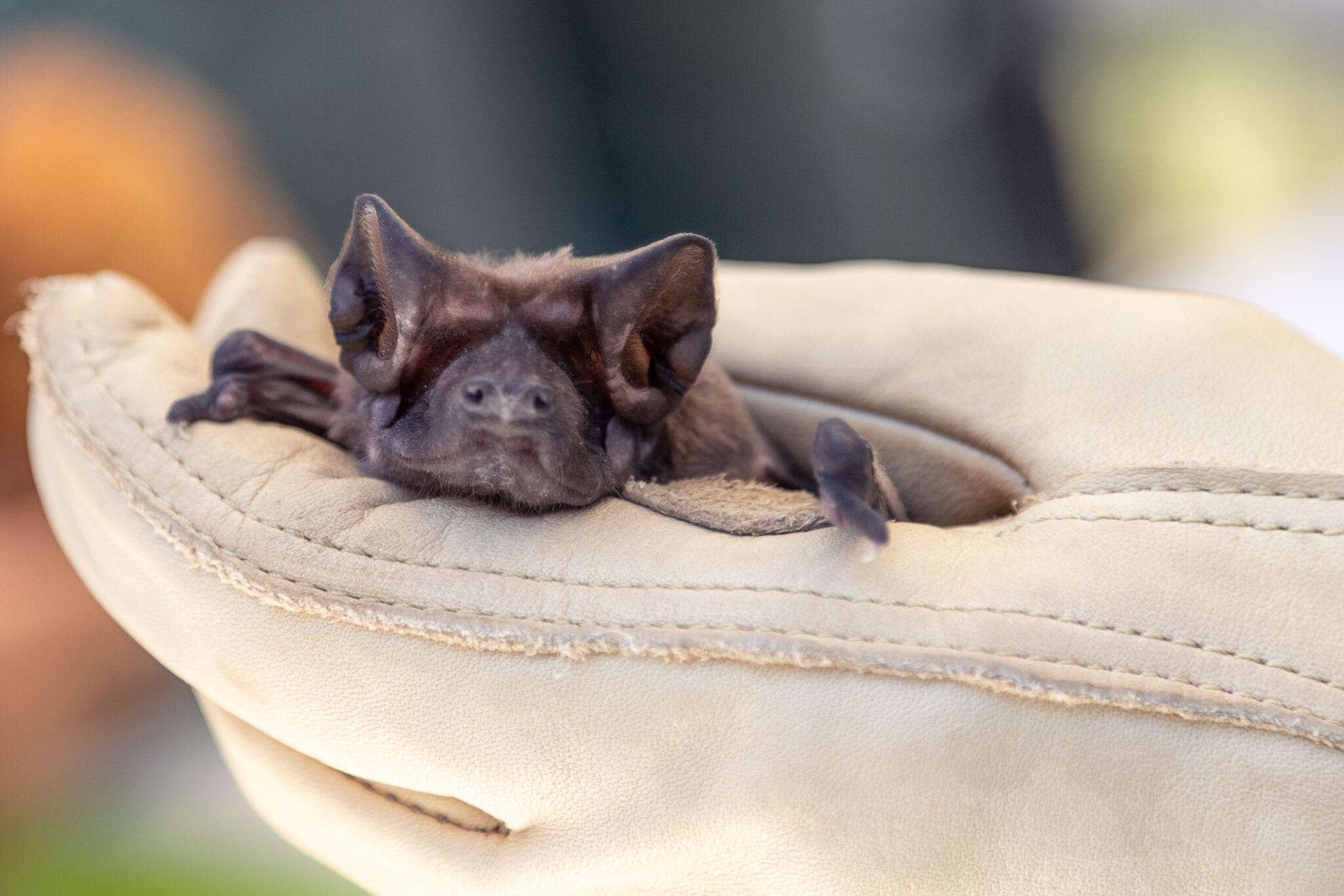
The Florida bonneted bat survived the loss of much of its natural habitat by doing something remarkable. It adapted to ours.
As forests disappeared and South Florida expanded, a small population of the bat species found an alternative place to shelter. In Miami, they began roosting in buildings, including beneath the Spanish roof tiles characteristic of many older homes. The gaps beneath the tiles offered something increasingly difficult to find elsewhere.
It was an unexpected example of wildlife adapting to human expansion. But now the buildings themselves are changing.
Older properties are renovated or demolished. Roofs are repaired and replaced. Gaps are sealed and structures modernised, often without anyone knowing that one of the rarest bat species in the United States may be living just centimetres away.
“The Florida bonneted bat has adapted to survive in our buildings precisely because we destroyed its forests. Now it depends on the very structures we routinely alter,” explains Jon Flanders, PhD, Bat Conservation International’s (BCI’s) Director of the Endangered Species Interventions Program.
For the Florida bonneted bat, the edge of expansion has moved again.
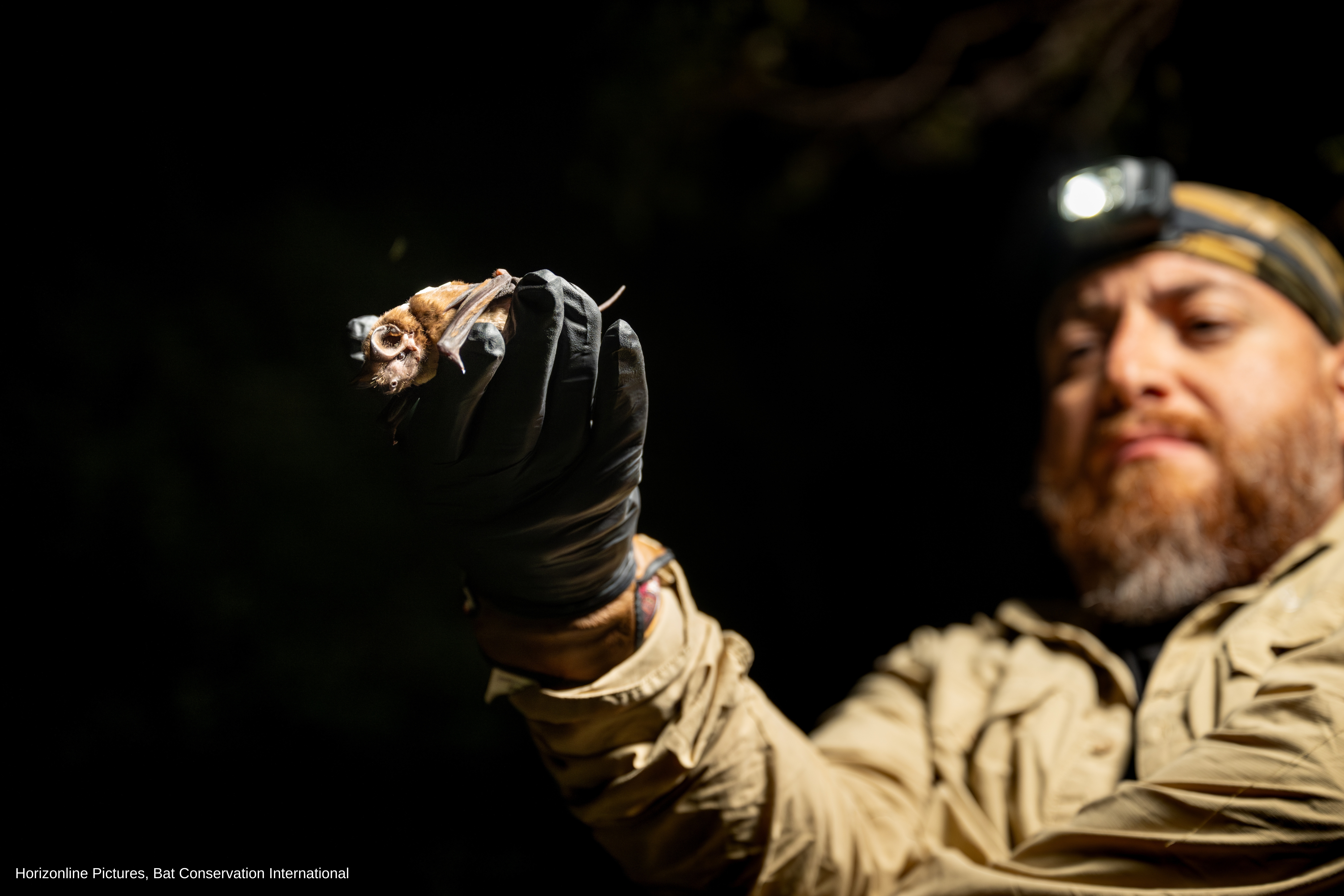
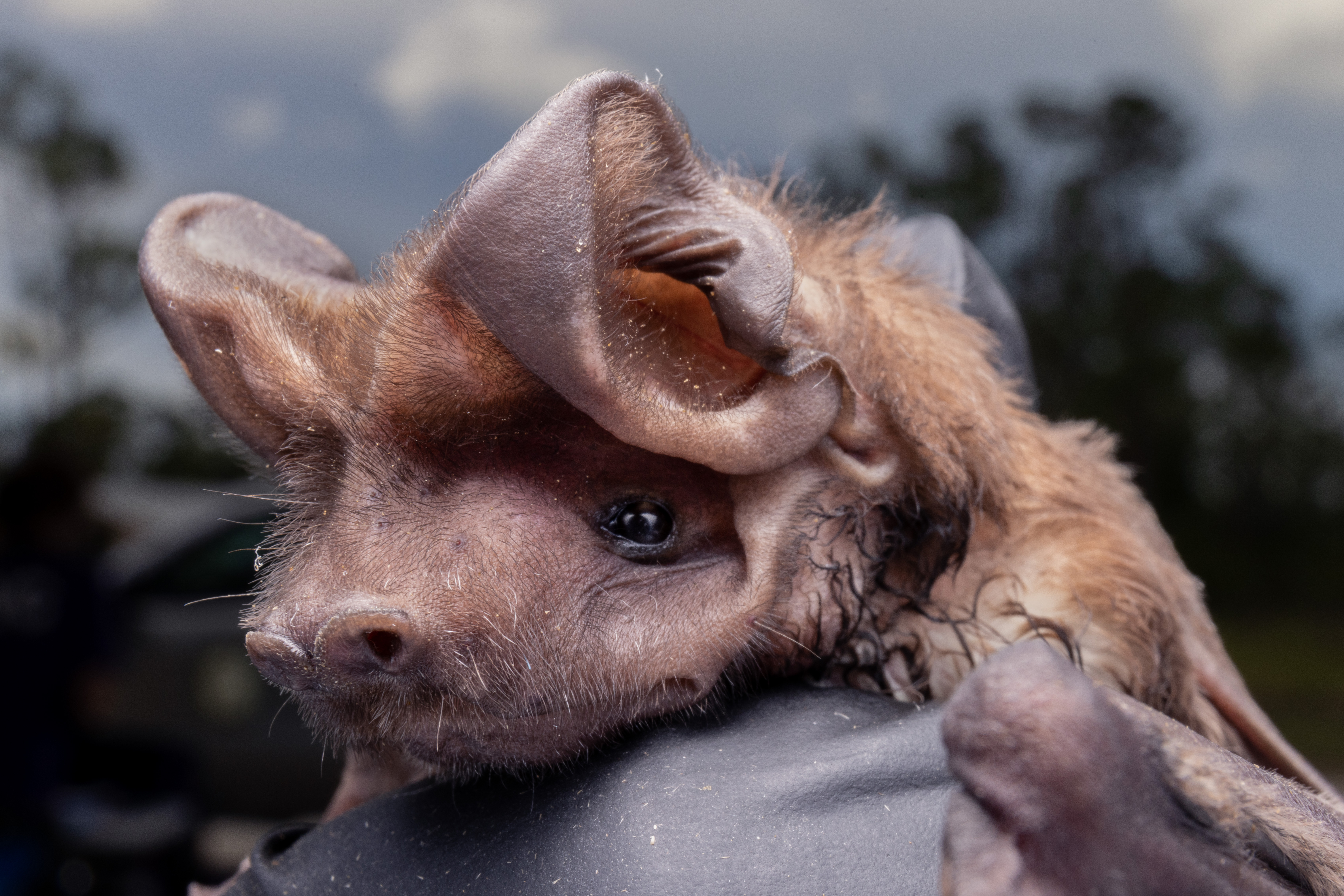
Pictured: Melquisedec Gamba-Rios, PhD, BCI’s Regional Director for Latin America & the Caribbean, examines a Florida bonneted bat as part of efforts to understand and protect the species in South Florida.
When ordinary maintenance becomes a threat
Miami is not a static city. Its metropolitan area has a population of nearly 6.5 million people, while the City of Miami has grown by 12 per cent since 2020. Urban expansion continues to reduce both the size and connectivity of natural habitat available to the bats.
But new construction is only part of the problem.
Some Florida bonneted bat roosts have been destroyed not by bulldozers clearing land for major developments, but by homeowners carrying out routine maintenance on existing properties.
A roof is repaired. Spanish tiles are removed or replaced. A chimney is renovated. To the homeowner, it is ordinary property upkeep. To a bat sheltering beneath the roof, the same work can mean the sudden disappearance of its home.
“The sharpest disconnect is between property maintenance and species extinction,” Flanders explains. “A homeowner removing Spanish roof tiles or doing termite tenting work has no idea they may be evicting or killing one of the rarest bat species in the US.”
That disconnect makes the Florida bonneted bat unusual even among species threatened by urban development. The problem is not simply that civilisation has expanded into its habitat. In parts of Miami, civilisation has itself become habitat.
And the threat can therefore come from activities that would rarely be considered conservation issues.
“The consequence of a single, unmonitored renovation is irreversible; the cause is someone doing completely legal, completely ordinary property upkeep,” says Gamba-Rios. “That gap between individual, mundane action and cumulative species-level harm is where our biggest conservation challenge lies.”
The agricultural landscape surrounding the city adds another layer. In areas such as the Redlands, agricultural intensification also influences the patchwork of habitats through which the bats move. Their survival increasingly depends not on one isolated natural area, but on their ability to navigate a landscape composed of forests, farms, buildings, parks, water and other open spaces.
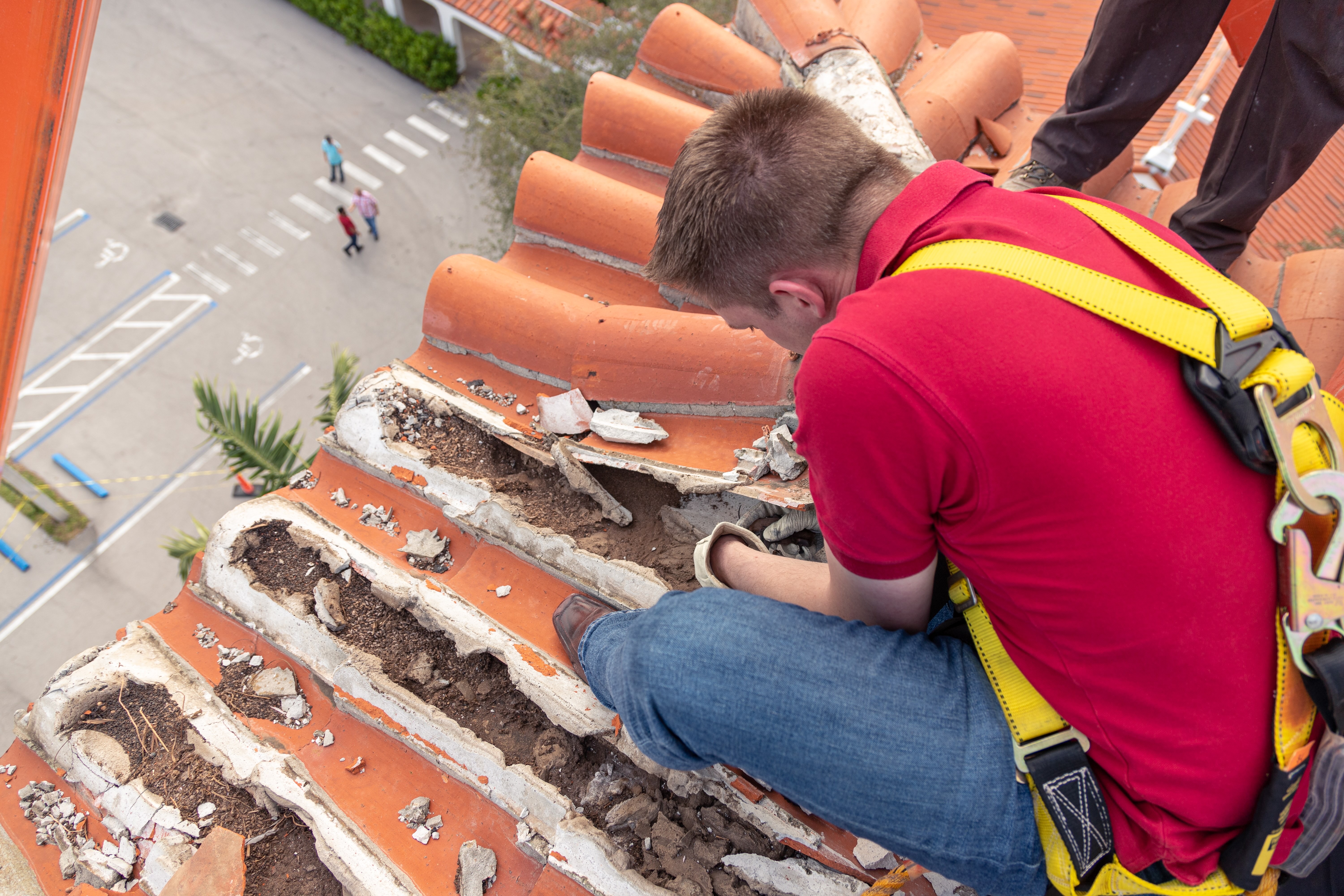
Routine maintenance, such as removing or replacing Spanish roof tiles, can unintentionally destroy the roosting sites of Florida bonneted bats, potentially displacing or killing bats sheltering beneath them.
Photo credit: © MGambaRios/Bat Conservation International.
Losing a home – and finding another
The Florida bonneted bat has one of the smallest ranges of any bat species in the United States. Its broader distribution extends through South Florida, from Orlando to Miami. The species is classified as Vulnerable by the IUCN and has been federally listed as Endangered in the United States since 2013.
“The greatest threat facing the Florida bonneted bat is the loss of habitat – specifically the roosting sites where it shelters during the day, and the foraging grounds where it hunts at night,” says Melquisedec Gamba-Rios, PhD, BCI’s Regional Director, Latin America & Caribbean.
Both are under pressure.
Urban development is converting natural land across the species’ range, with current and projected urban areas already representing more than 22 per cent of its entire distribution. Climate change is adding another pressure as increasingly frequent and intense hurricanes damage the pine, hammock and hardwood forests where the bats naturally roost.
Yet the species has shown an ability to adapt.
Florida bonneted bats have been recorded roosting in roof spaces as far back as the 1930s. More recently, acoustic monitoring in urban Miami revealed that the bats were more widely present in the city than researchers had previously assumed, although still in low numbers.
Some had effectively found a substitute for the natural roosts they were losing.
Older buildings with Spanish tiles provided gaps in which the bats could shelter. In a metropolitan area transformed by decades of urban growth, human architecture had inadvertently created habitat for a species being displaced by that same growth.
But this adaptation came with a new vulnerability.
Credit: © MGambaRios/Bat Conservation International
Building new homes for bats
The Florida bonneted bat’s willingness to use human structures may also provide part of the solution.
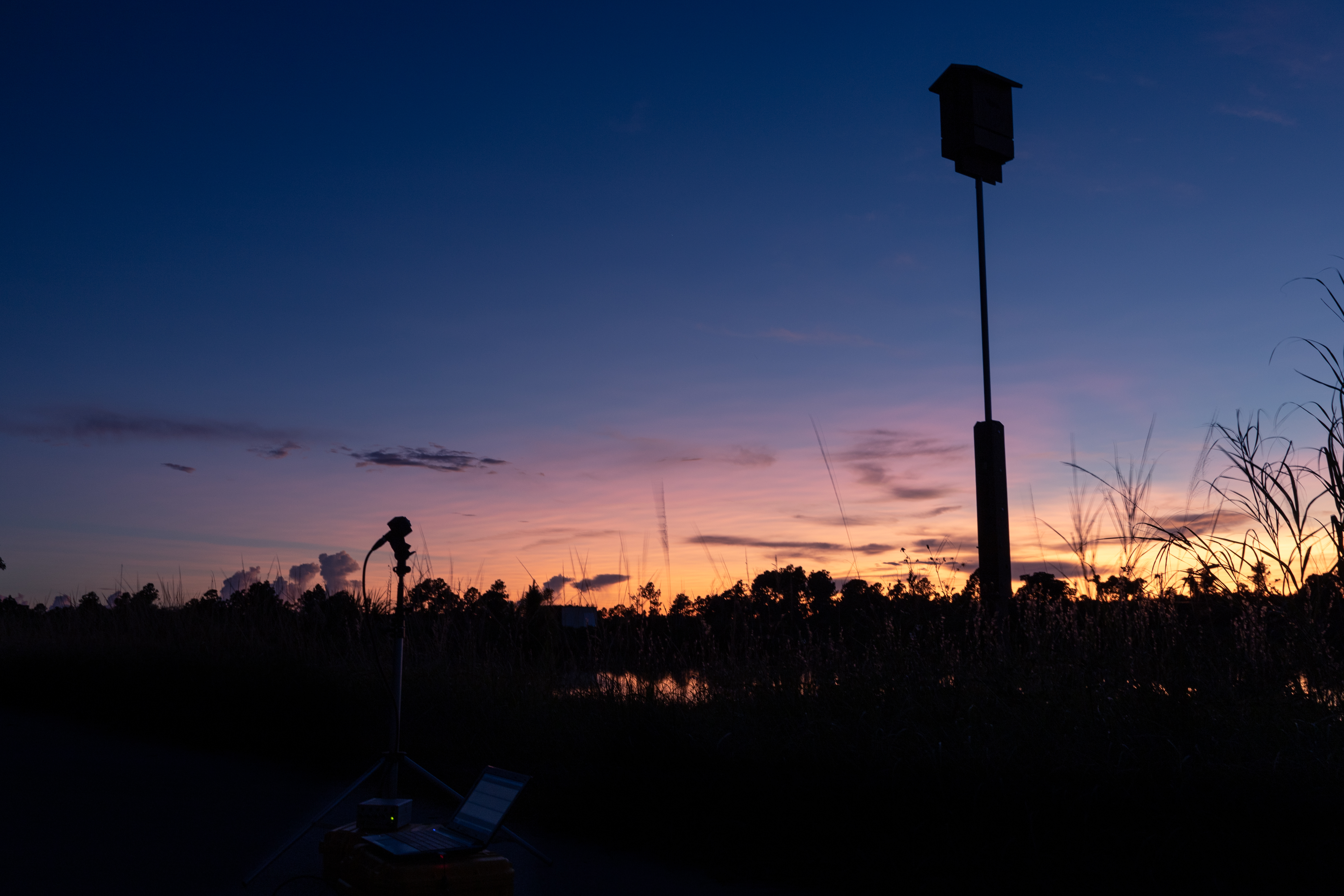
Bat Conservation International and Zoo Miami have established the Miami Bat Lab, combining research with active conservation across Miami-Dade County. A multi-year network of acoustic detectors is helping researchers identify where the bats forage and socialise, providing information that can be used to decide where artificial roosts should be placed.
The response has been striking.
Strategically located artificial roosts now support more than 200 Florida bonneted bats, making this the largest known population across the species’ range. At Zoo Miami alone, more than 100 bats are supported within roughly 600 acres managed as the core conservation zone for the southeastern population. Some newly installed roosts have been occupied within weeks.
“If you provide the right conditions in the right location, the bats respond,” says Frank Ridgley, PhD, Zoo Miami’s Head of Conservation and Research.
Zoo Miami provides an example of what that can mean at landscape scale. The grounds are deliberately managed as the core conservation zone for the southeastern population, combining suitable habitat with strategically placed artificial roosts. Rather than attempting to separate the bats completely from human activity, the approach creates space for them within a landscape that already serves another purpose.
The rapid occupation of some new roosts suggests that the limiting factor is not necessarily the species’ willingness to adapt. In at least some locations, it is whether the conditions it needs are still available.
The artificial roosts themselves have also been adapted to the conditions of South Florida. Bat Conservation International has modified the so-called “rocket box” design to provide greater thermal stability during periods of extreme heat while also making the structures capable of withstanding hurricanes.
The design illustrates how conservation is having to respond to two pressures at once. Urban development has reduced the natural roosting habitat available to the bats, while climate change is making what remains more vulnerable to extreme weather. Artificial roosts are therefore not simply substitutes for lost trees or buildings. They are being designed for a landscape in which higher temperatures and increasingly intense hurricanes are themselves becoming part of the conservation challenge.
In that sense, the Florida bonneted bat is adapting to a changing environment with human assistance. Having first found shelter in structures built for people, some bats are now moving into structures designed specifically to help them survive conditions that both urbanisation and climate change have made more difficult.
Research continues alongside the physical interventions. The Miami Bat Lab is studying the species’ diet and movements to better understand what will be needed for its long-term recovery, while a conservation network involving more than 14 agencies and NGOs has been established. Outreach activities have reached more than 12,000 community members.
But artificial homes solve only part of the problem.
A bat needs somewhere to sleep. It also needs somewhere to eat.
Florida bonneted bats depend on open, dark areas such as parks, golf courses and lakes where they can hunt insects. Artificial roosts can replace lost shelter, but they cannot replace the wider landscape the bats need to survive.
The challenge is therefore not simply to install more bat boxes. It is to make room for the species within a functioning city.
That distinction changes the scale of the challenge. A roost can be built and installed in a carefully selected location. A foraging landscape cannot. It depends on the relationship between many different parts of the city: where open spaces remain, where insects are available and whether bats can move between places to shelter and places to feed.
The result is a form of urban habitat that does not necessarily look like habitat at all. A park, a lake or a golf course may primarily have been created for people, but for the Florida bonneted bat it can form part of the ecological network needed to survive. The same is true of the wider mosaic of forests, farms, buildings and open spaces through which the species moves.
Protecting an urban population therefore requires more than protecting individual roosts. It requires maintaining the connections between the different places the bats depend on throughout the night and day.
Credit: © MGambaRios/Bat Conservation International
Planning for a species that already lives among us
This changes the conservation question.
Traditional species protection often focuses on setting aside natural areas and protecting them from human activity. That remains important for the Florida bonneted bat, but its adaptation to urban Miami suggests that conservation can also happen within the human landscape.
For that to work, urban planning and species recovery can no longer operate as separate processes.
“Miami-Dade County needs conservation overlays that identify and permanently protect the foraging corridors and roost zones that the bat depends on before development proposals arrive, not after,” says Flanders.
That would mean identifying the mosaic of habitats the species needs, including Pine Rockland, open water and dark open spaces, and treating them as part of the city’s functioning infrastructure rather than simply as undeveloped land available for future construction.
That requires a different way of looking at undeveloped space in a rapidly growing city. Land without buildings may appear to be waiting for development. Ecologically, however, the same land can already be performing a function. For the Florida bonneted bat, Pine Rockland, open water and dark open areas form part of the infrastructure that connects places to roost with places to feed.
For Gamba-Rios, these areas need to be treated as critical infrastructure rather than as undeveloped land awaiting its “highest and best use”.
“The distinction matters in a city where decisions about what to build are often made long before anyone considers what wildlife may already depend on the site.”
Planning for the bat therefore means identifying important roosting zones and foraging corridors before development proposals arrive. By the time a roost is discovered after construction has begun, the central land-use decision may already have been made.
It could also mean changing something much more mundane: the building permit.
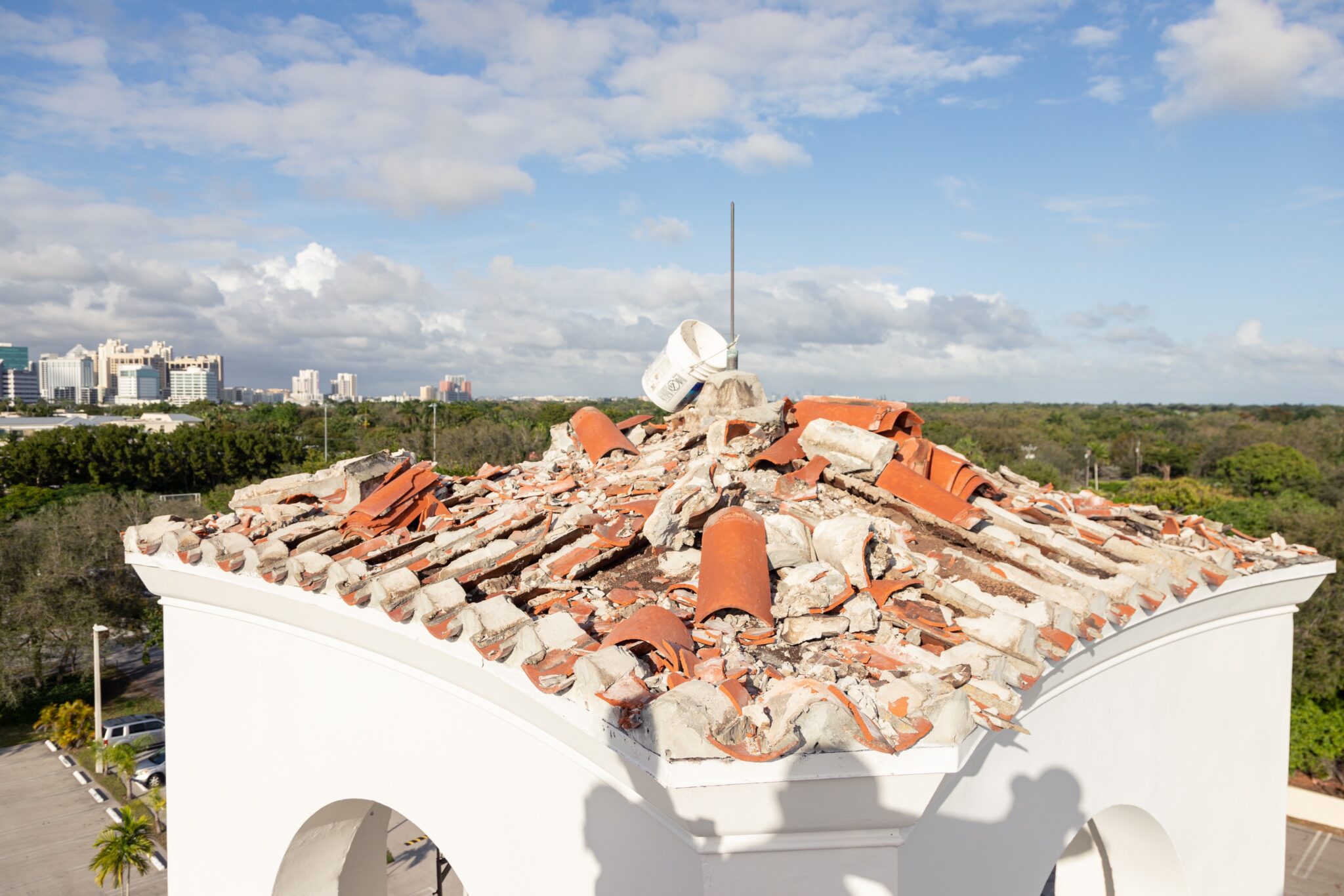
One specific intervention could address the threat facing bats in older buildings. Before permits are issued for roof alterations, roof replacements or termite tenting work in Miami-Dade County, properties could be assessed for Florida bonneted bat roosts.
If bats are present, they can be safely excluded by a professional before construction begins.
“This single procedural change would close the largest unaddressed gap in species protection,” explains Gamba-Rios.
It would not prevent homeowners from repairing their roofs. Nor would it stop Miami from developing.
It would simply introduce knowledge into a process where today the people making decisions may have no idea that an endangered species is affected by them.
Credit: © MGambaRios/Bat Conservation International
The edge moves again
The Florida bonneted bat presents an unusual conservation story because it has already demonstrated an ability to live with profound change. As its natural habitat diminished, at least part of the population found shelter in the city that replaced it.
Now that adaptation is being tested again.
The irony is difficult to miss. Having removed much of the habitat on which the Florida bonneted bat originally depended, people unintentionally created an alternative. Now, through perfectly ordinary decisions about how buildings are maintained and cities modernised, that alternative is disappearing too.
Yet the experience of the Miami Bat Lab suggests that coexistence is possible.
“The species can coexist with urban Miami,” explains Flanders. “But that requires the city deciding in advance where it will and won’t build, rather than discovering a roost after the foundation is poured.”
For the Florida bonneted bat, survival may therefore depend less on escaping civilisation than on finding a permanent place within it.
The species has already adapted once to the world we created around it. The question now is whether we can adapt too.
Fact Box
Species: Florida bonneted bat (Eumops floridanus)
Conservation status: Vulnerable on the IUCN Red List; federally listed as Endangered under the US Endangered Species Act.
Geographic range: South Florida, with the broader species range extending from Orlando to Miami.
Main threats: Loss of roosting and foraging habitat driven by urban development and climate-intensified storms, combined with incidental destruction of urban roosts during routine building maintenance.
Urban adaptation: Florida bonneted bats have been recorded using roof spaces since the 1930s. In Miami, older buildings with Spanish roof tiles provide gaps that can function as roosting sites.
Conservation response: Research and conservation led through the partnership between Bat Conservation International and Zoo Miami includes acoustic monitoring, artificial roosts, habitat management, research into diet and movement, and community outreach.
Key stakeholders: U.S. Fish and Wildlife Service, National Park Service, Florida Fish and Wildlife Conservation Commission, Florida State Parks, Miami-Dade County agencies, Bat Conservation International, Zoo Miami, National Park Conservation Association and Tropical Audubon Society.