
With great impact comes great responsibility. Across their value chains, companies play a critical role in safeguarding and restoring the nature and biodiversity on which we all depend. This series features international companies setting the pace—companies that are part of the solution. This edition highlights Holcim and their efforts.
Headquartered in Switzerland, Holcim is one of the world’s leading building materials companies, employing over 45,000 people across 44 markets and reporting net sales of CHF 16.2 billion in 2024. With such a global reach, the company sees its responsibility clearly: to build progress for people and the planet by placing nature at the centre of its strategy.
“Our nature strategy aims to contribute to a nature-positive future. It targets both biodiversity and freshwater ecosystems and is backed by a science-based approach, with baselines, measurable indicators and targets,” says Renata Pollini, Head of Sustainable Construction and Nature at Holcim.
A Science-based Strategy for 2030
Holcim’s ambition is to achieve a measurable positive impact on biodiversity by 2030. To do this, the company applies the Biodiversity Indicator and Reporting System (BIRS) (link), a methodology developed together with the International Union for Conservation of Nature (IUCN) (link).
“In our own operations we are focusing on reducing negative impacts and restoring nature, and with our customers we are scaling up our nature-positive building solutions to boost climate resilience and bring more nature into cities and local communities.”
These principles are embedded in Holcim’s Nature Policy and detailed operational directives that steer rehabilitation and protection work at every site.
Transformative Quarry Rehabilitation
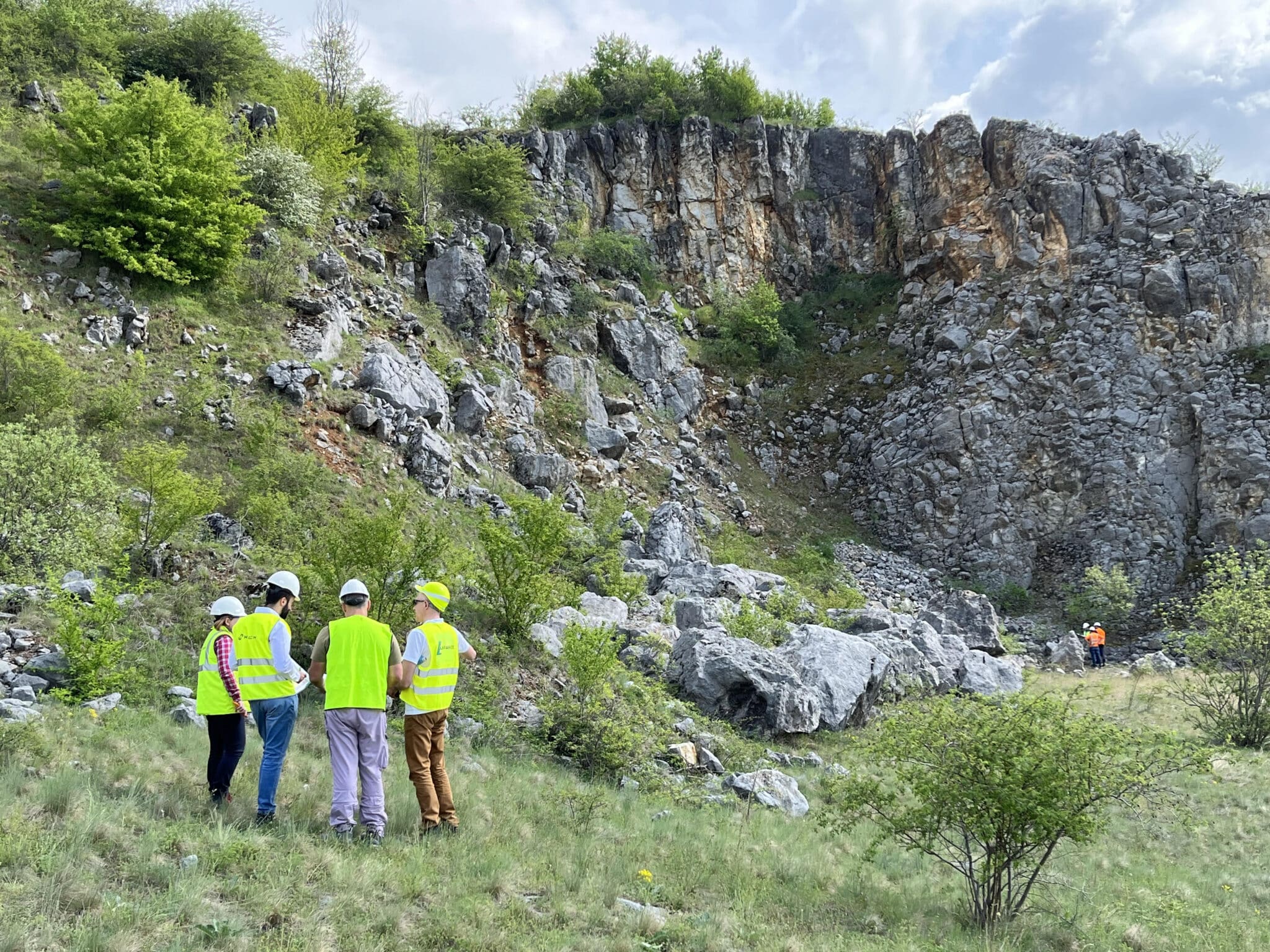
For a company rooted in quarrying and cement production, managing its footprint on nature is a daily task. Holcim has chosen to make restoration an integral part of its operations through what it calls transformative progressive quarry rehabilitation.
“In our commitment to contributing to a nature-positive future, we go beyond traditional rehabilitation,” Pollini explains.
Extraction and rehabilitation happen in parallel. Areas where materials have been removed are restored while neighbouring areas remain active, allowing ecosystems to return even before production ends. Buffer zones are optimised, and where relevant, new habitats such as green corridors and wetlands are created to enhance wildlife connectivity and ecosystem richness.
Each site follows Holcim’s Quarry Rehabilitation & Biodiversity Directive, which standardises best practice and ensures that quarry closure becomes an opportunity to restore or create rich ecosystems — from renaturation to biodiversity-focused land uses.
Measuring Progress with Science and Partnerships
Quantifying biodiversity is notoriously complex, but Holcim backs its ambitions with data. By 2024, the company had completed 100 percent of its biodiversity baseline assessments across all active and non-active quarries.
“We commit to making a measurable positive impact on biodiversity by 2030. We measured our baseline using BIRS, and in 2030 we will measure again to demonstrate progress toward a positive trajectory.”
Partnerships are essential to this work. In 2023, Holcim launched a three-year collaboration with IUCN. “They supported us to validate our biodiversity baseline in 2024 and are helping us to select appropriate interventions to local ecosystems, ensuring actions are locally relevant and scientifically credible.”
Holcim also joined the Science-Based Targets for Nature (SBTN) pilot and became one of the first companies to adopt SBTN nature targets, starting with freshwater.
Bringing Nature into Urban Spaces
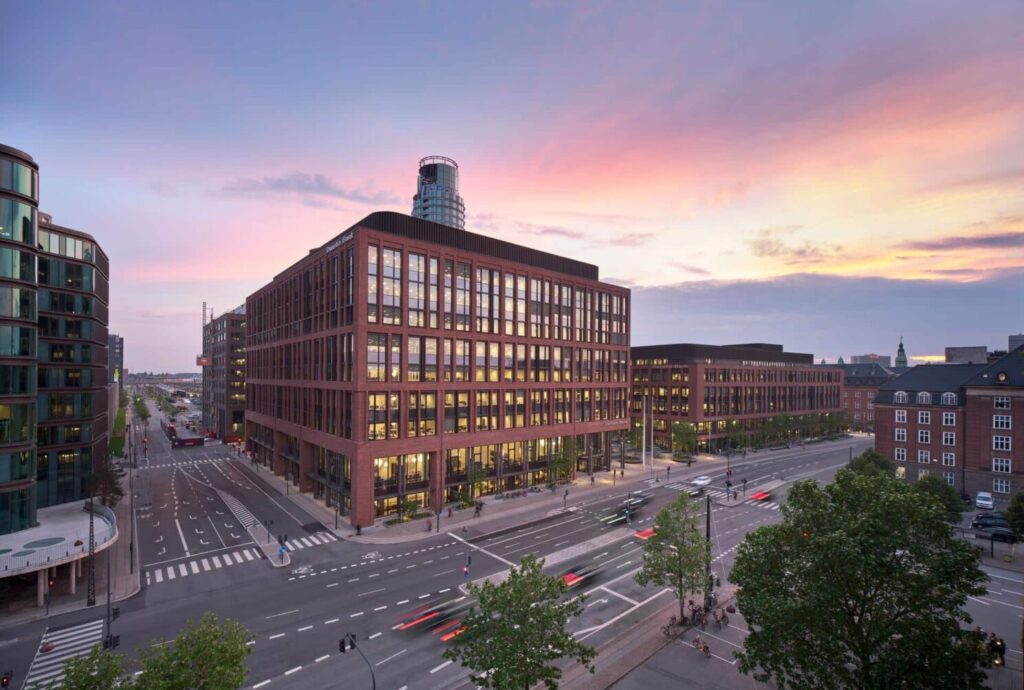
Biodiversity for Holcim extends far beyond quarry boundaries. The company applies its expertise in materials, design and construction to enhance the role of nature within cities — where most of the world’s population now lives.
“Beyond quarries, we implement projects to add green spaces in urban projects and cities to boost climate resilience, improve biodiversity and community well-being.”
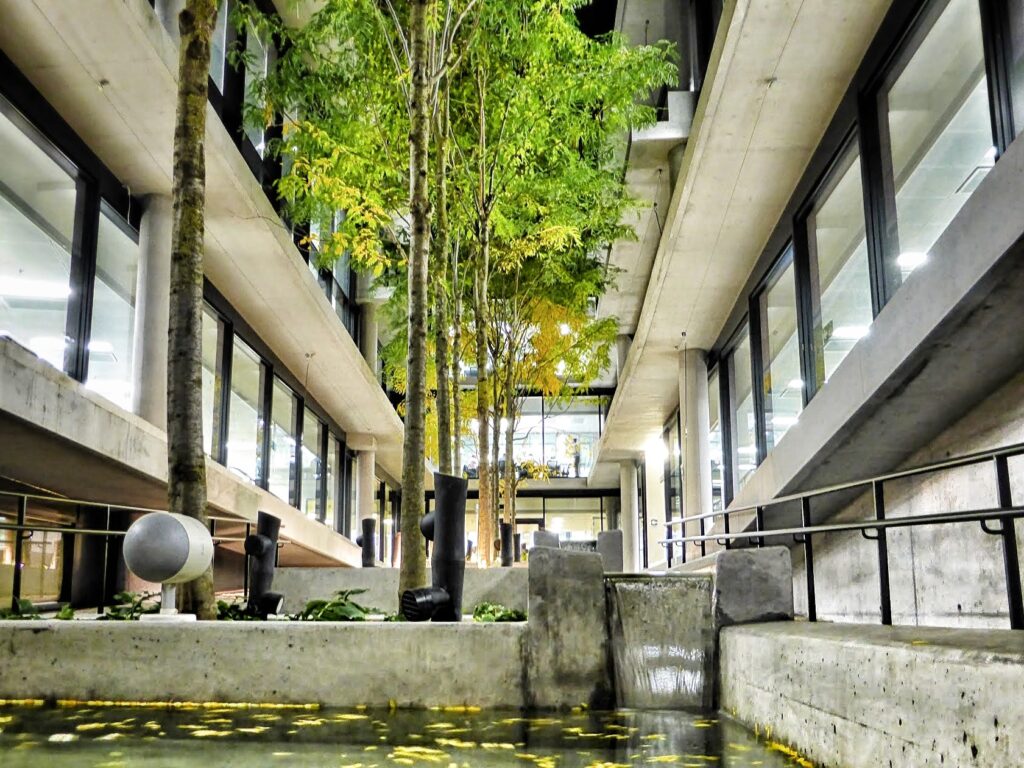
Through its nature-positive building solutions, Holcim supports urban developers and municipalities in integrating vegetation and water systems into buildings and public spaces. Green roofs, vertical gardens, and permeable surfaces help reduce heat-island effects, manage stormwater and foster local biodiversity.
These solutions form part of Holcim’s broader ambition to make sustainable construction regenerative, reconnecting people with natural ecosystems even in dense cityscapes. By scaling these innovations across housing, infrastructure and public areas, the company aims to create cities that are not only low-carbon but also rich in living systems — places where nature and people can thrive together.
From Policy to Practice
Holcim’s commitments are anchored in formal frameworks that guide daily decisions. “We have a Nature Policy and a Quarry Rehabilitation & Biodiversity Directive that our site teams must follow.”
At the local level, biodiversity and water targets are translated into rehabilitation plans, monitoring programmes and annual reports. Pollini summarises: “In short, the strategy is embedded at the policy level, turned into site plans and reflected in regular monitoring and reporting.”
A Longstanding Commitment Strengthened in 2021
Holcim’s concern for biodiversity is part of its heritage, but the company gave it a renewed focus with the announcement of its Nature-Positive Strategy in September 2021. “We are directly impacting and indirectly dependent on biodiversity with our business, and therefore, if we want to continue to sustainably grow our business, this is a resource we need to manage sustainably.”
The Nature Policy followed in 2022, while operational directives were updated in 2024. Holcim also advanced target-setting through the SBTN pilot and became an early adopter of the Taskforce on Nature-related Financial Disclosures (TNFD) framework.
Extending Responsibility Beyond Operations
Holcim’s biodiversity ambitions reach into its supply and customer chains. The company’s Supplier Code of Conduct sets environmental and social requirements that all partners must meet, and sustainability criteria are factored into procurement decisions.
“By adopting SBTN targets, we commit to assessing and influencing impacts beyond our sites, including suppliers and customers.”
Engagement with customers plays an equally important role, promoting nature-positive building solutions that enhance resilience and biodiversity outcomes.
Benefits for Business, People and Planet
The company highlights four areas where the strategy adds tangible value: measurable restoration of ecosystems and protection of freshwater; reduced regulatory, reputational and operational risks; community benefits through restored landscapes and improved water security; and a strengthened market position supported by science-based validation.
“Rehabilitated quarries and urban nature projects increase local recreational space, improve livelihoods, and water security for neighbouring communities.”
Navigating the Challenges
Operating globally, Holcim must balance industrial efficiency with environmental stewardship. “As a company involved in quarrying and cement production, we must balance raw material extraction with the protection and restoration of ecosystems.”
Each site’s distinct ecology demands tailor-made biodiversity action plans, supported by extensive data and local expertise. Long-term monitoring adds further complexity.
“Biodiversity gains often take years to materialize. Measuring progress and demonstrating measurable net positive impact demands consistent monitoring, standardized indicators, and reliable reporting methods.” Pollini explains.
Building understanding with diverse communities and stakeholders is therefore equally critical — and essential for the company’s long-term license to operate.
Lessons for Other Companies
Holcim’s experience offers practical guidance for others embarking on the same path.
“Integrate biodiversity early into business planning — and when possible, with finance departments. Biodiversity protection should not be an afterthought.”
“Collaborate with experts and local stakeholders. Partnering with NGOs, scientific institutions, and local communities helps ensure that biodiversity measures are science-based, context-specific, and socially accepted.” Pollini explains.
“Measure, monitor, and communicate progress. Set clear indicators, track results consistently, and share progress transparently. This builds trust, helps refine strategies over time, and demonstrates that biodiversity can go hand-in-hand with sustainable business performance.”