With great impact comes great responsibility. Across their value chains, companies play a critical role in safeguarding and restoring the nature and biodiversity on which we all depend. This series features international companies setting the pace – companies that are part of the solution. This edition highlights Flying Tiger and their efforts.
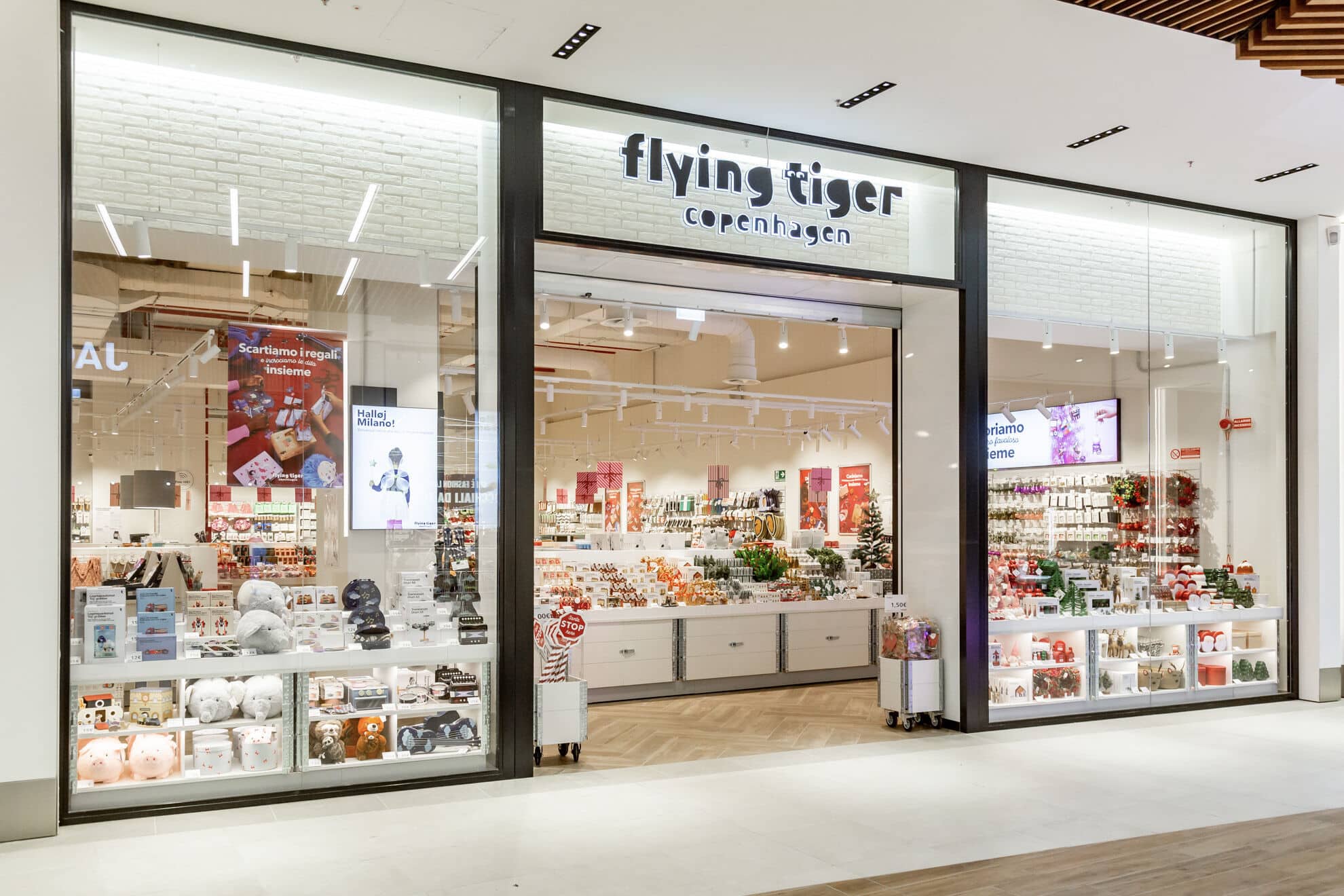
From a single quirky store in Copenhagen’s Strøget district in 1995 to a global retail brand with 1,100 stores across 44 countries and an annual turnover above DKK 5 billion, Flying Tiger Copenhagen has grown by making everyday products joyful, affordable and accessible – but that success has also come with responsibility.
As the company expanded, so did its awareness of its environmental footprint. The brand, once known for its low-cost imports and colourful plastic products, is now redefining what fun and affordability can mean in a circular economy.
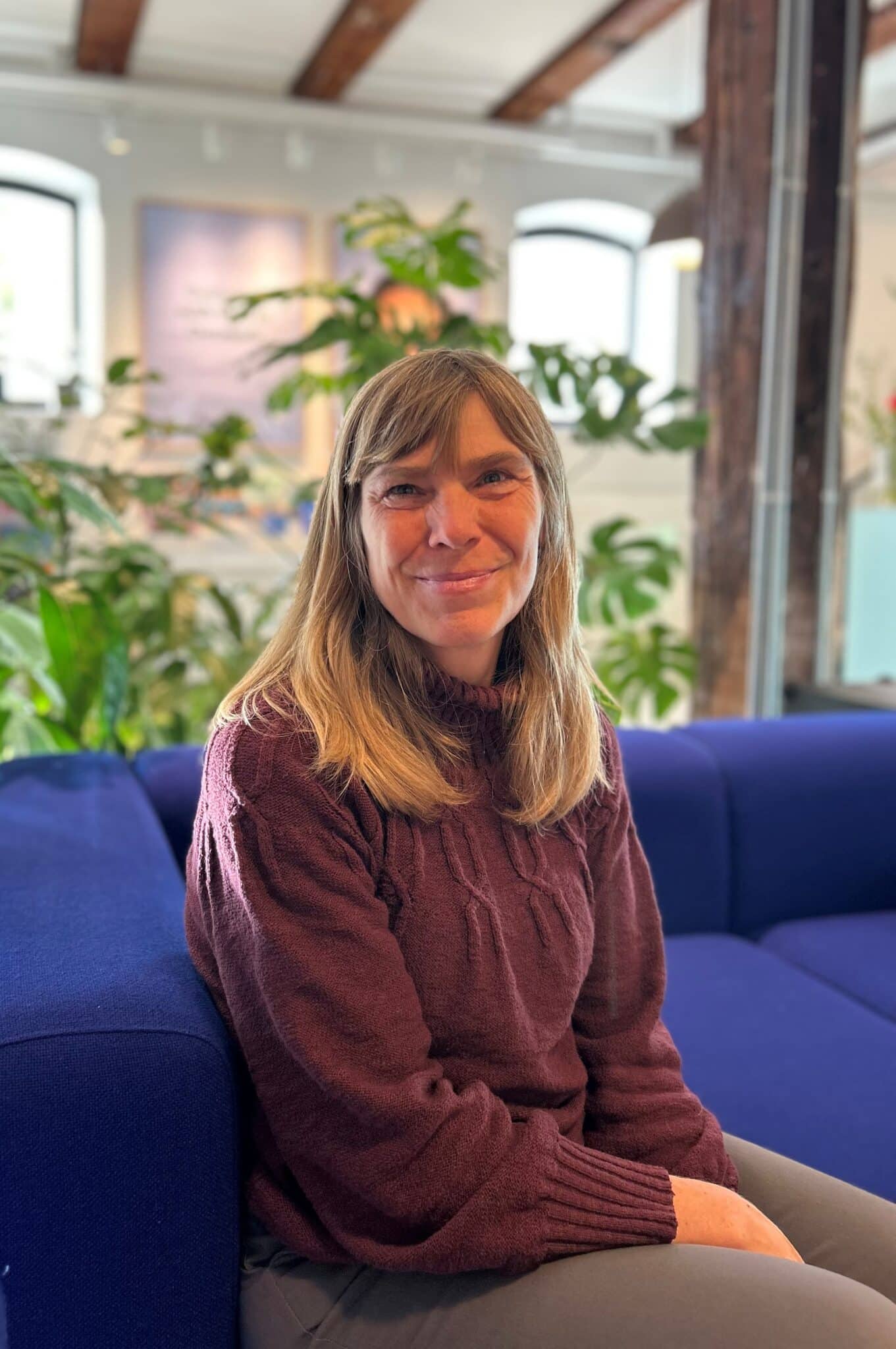
“We are on a learning curve,” says Trine Pondal, Director of Sustainability and Social Responsibility. “Our ambition is to make sustainability integral to everything we do — from design and material sourcing to how we collaborate with suppliers. Progress matters over perfection, and we are moving steadily in the right direction.
From Circular Design to Biodiversity Awareness
Flying Tiger Copenhagen does not yet have a stand-alone biodiversity strategy. Instead, the company embeds biodiversity within its circular-economy framework, which aims to reduce virgin-material use, extend product lifespans and prioritise renewable resources.
“Our approach today is what we call biodiversity-aware circularity,” Pondal explains. “We are building the internal systems and material knowledge that will allow us to evolve into a more explicit biodiversity strategy over time.”
That journey began with a third-party biodiversity assessment conducted using WWF risk filters and the Science Based Targets Network (SBTN) frameworks.
The analysis provided a baseline of Flying Tiger Copenhagen’s material impacts and dependencies on nature — and identified sugar as a material with higher biodiversity relevance than previously recognised.
“The analysis gave us a clearer picture of where nature is most affected in our value chain – and pointed to sugar as one material we need to understand better,” Pondal says. “This also reflects the fact that we’ve increased our sourcing of sugar-based products in recent years.”
While sugar is not yet listed as a deforestation-risk commodity under the EU Deforestation Regulation (EUDR), it could become one in the future.
Sugarcane is often grown in regions with high biodiversity risk and water stress, such as parts of Asia and South America, where cultivation can lead to land-use change, soil degradation and high water consumption. Therefore, the analysis highlighted sugar as a material that should be examined more closely within Flying Tiger Copenhagen’s value chain to better understand and manage potential risks.
From Plastic Past to Purposeful Future
In earlier years, Flying Tiger Copenhagen became synonymous with playful, inexpensive plastic products — much of it sourced from Asia.
A decade later, the company has turned this legacy into one of its strongest transformation stories.
Through its sustainability strategy, the brand has made significant progress in reducing virgin-plastic use and increasing certified renewable materials.
Today, all wood and paper used in products and packaging are FSC-certified, helping mitigate deforestation and habitat loss.
Plastic reductions have also expanded to textiles, packaging and household goods.
“Circular design helps us make better material choices and reduce pressure on ecosystems,” Pondal says. “By designing for reuse, recyclability and lower virgin-material use, we reduce pressure on ecosystems and resource extraction, which indirectly supports biodiversity.”
This material transformation, she notes, is also changing Flying Tiger’s brand DNA:
“We want to show that affordable, everyday products can be made with more responsibility – without losing the fun.”
Embedding Biodiversity into Everyday Business
While biodiversity may sound abstract in a retail setting, it plays a real and growing role in Flying Tiger Copenhagen’s daily operations.
Biodiversity considerations are integrated into supplier evaluations, material sourcing and product-design processes.
Designers assess recyclability, material composition and product lifespan, while procurement teams apply environmental and certification criteria.
“When we choose materials, we think about more than function or price,” Pondal explains. “We look at where it comes from, how it’s made, and what the impact is on nature.”
Internally, biodiversity is handled within the broader sustainability-governance system, which also covers climate, waste and circularity.
The company has begun building awareness and training among staff to understand how sourcing, design and materials link to biodiversity outcomes.
Extending Product Lifespans
Although Flying Tiger Copenhagen does not yet have a formal product-lifetime strategy, it systematically focuses on reducing resource use and environmental impact across each product’s life cycle.
“Product lifespan is part of the upcoming EU Digital Product Passport,” Pondal explains. “Our Product Compliance team is exploring how we can measure it meaningfully, though current test standards don’t yet fit our product types.”
This early work connects naturally to the company’s circular-design ambitions and supports its goal of balancing affordability, creativity and durability.
Working with Suppliers and Science
Flying Tiger Copenhagen’s biodiversity work relies heavily on supplier engagement and data.
The third-party screening identified high-risk material chains — such as agricultural feedstocks — that warrant deeper investigation.
“We’re exploring how biodiversity metrics could become part of supplier evaluations – but the method need to mature first,” Pondal says. “We also want to invest in supplier awareness and capacity-building, because biodiversity is a learning curve for all of us.”
The company’s sustainability team collaborates with external experts and aims to align future metrics with science-based approaches such as the SBTN framework.
Why Biodiversity Matters — and Why It’s Hard
Flying Tiger Copenhagen’s work with biodiversity is motivated by both responsibility and resilience.
The company sees biodiversity as a foundation for long-term supply security and business stability.
“Biodiversity loss can affect raw-material availability, pricing and supply-chain continuity,” Pondal notes. “By acting early, we reduce future risk and strengthen our position as regulations and expectations evolve.”
Yet she is candid about the difficulties.
“Biodiversity is still a developing field,” Pondal says. “The data and methods are patchy, especially across global value chains. But we can’t wait for perfect information – we learn by doing.”
The company’s biodiversity screening and circular-economy roadmap are helping manage these challenges, while ensuring that future actions — from material sourcing to product design — are aligned with both ecological and commercial realities.
Key Learnings for Other Companies
Reflecting on Flying Tiger Copenhagen’s journey, Pondal offers three insights for peers embarking on a similar path:
- Start with what you already do well.
“If you already have strong circular-economy or material-sourcing programmes, use them as a bridge into biodiversity. Don’t wait for perfect data.” - Focus where it matters most.
“Use tools like WWF or SBTN frameworks to identify hotspots — materials or supply chains with the biggest biodiversity impact — and prioritise those.” - Move despite uncertainty.
“The science is still developing. But if you wait for complete clarity, you’ll be too late. Build capacity, experiment, and improve as knowledge grows.”
An Honest Journey, not a Finished Story
Flying Tiger Copenhagen is open about the fact that it is still early in its biodiversity journey.
The company does not claim perfection but is working systematically to connect circular design, renewable materials and biodiversity protection.
“We don’t have all the answers,” Pondal concludes. “But we are committed to asking the right questions and to improve as we learn.”